Wildflowers in the Foothills


Chocolate Lily (Fritillaria affinis), Teanaway Community Forest, Washington
Today was our first 90 degree day, so I can confidently say that summer has arrived here in Central Washington. As Washington slowly begins to relax stay-at-home restrictions, the last few weekends have brought our first few forays into the mountains since early this year. We’ve deliberately avoided highly visited areas, which in Washington is basically synonymous with “trails with views”. The highlight of these excursions instead has been the wildflowers, which are currently in full bloom at elevations between about 2000 and 4000 feet. With higher elevations still buried in snow, the off-the-beaten path trails in the Cascade foothills are the sweet spot right now:
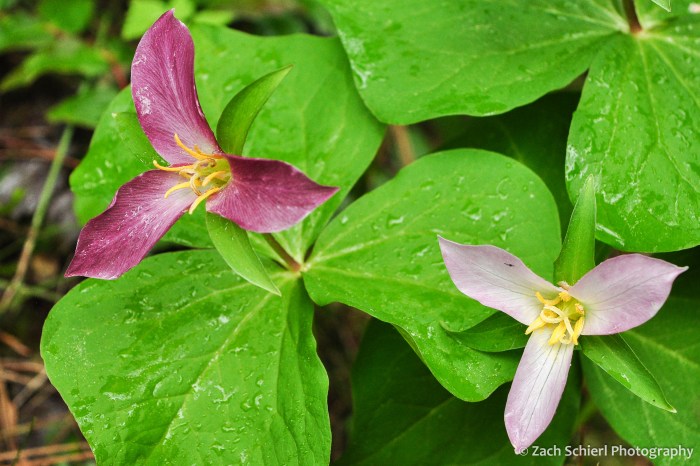
Pacific trillium (Trillium ovatum), Teanaway Community Forest, Washington
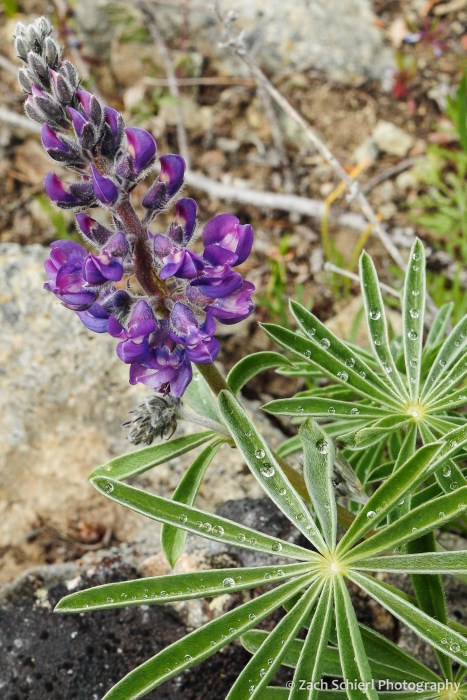
Lupine, Okanogan-Wenatchee National Forest, Washington
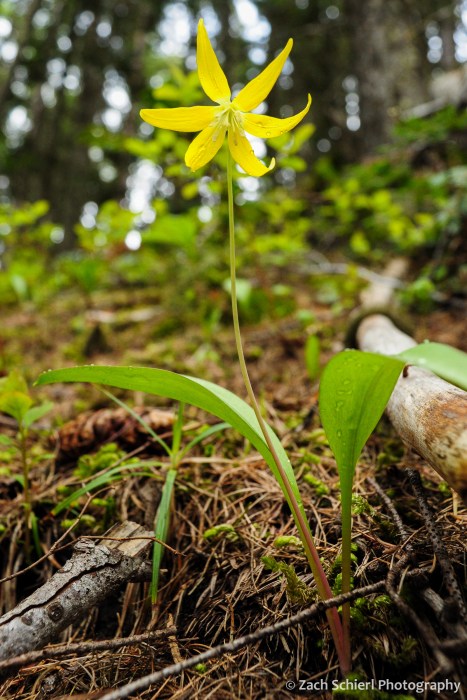
Glacier Lily (Erythronium grandiflorum), Okanogan-Wenatchee National Forest, Washington

Oregon Anemone (Anemone oregana), Okanogan-Wenatchee National Forest, Washington
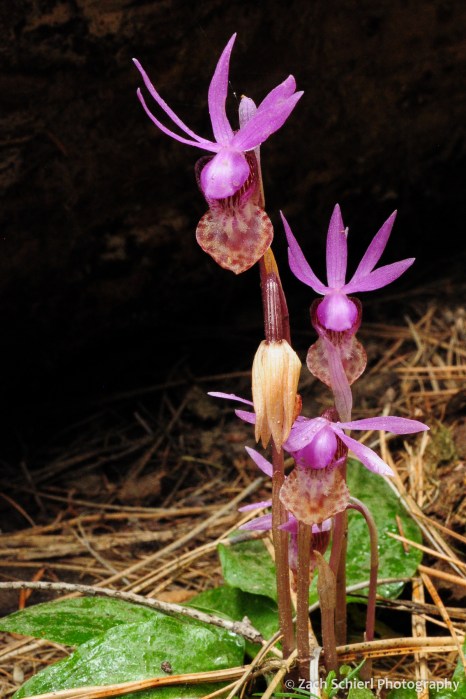
Fairy slipper (Calypso bulbosa), Okanogan-Wenatchee National Forest, Washington

Gummy gooseberry (Ribes lobbii), Teanaway Community Forest, Washington

Morel mushroom, Okanogan-Wenatchee National Forest, Washington
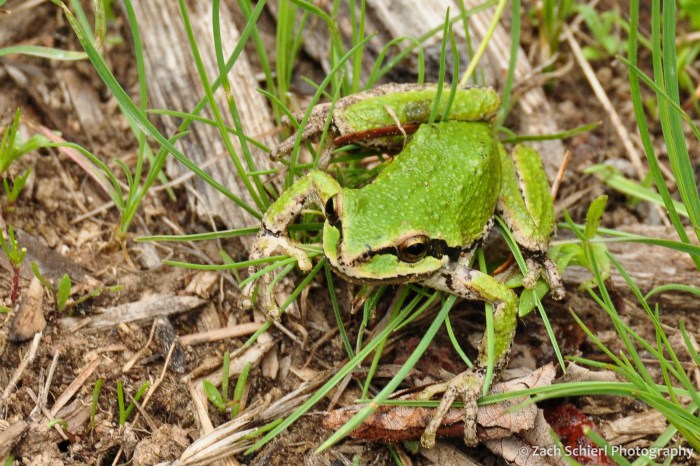
Pacific tree frog (Pseudacris regilla),which, oddly enough, lives in the ground
Sands and Sage in Central Washington

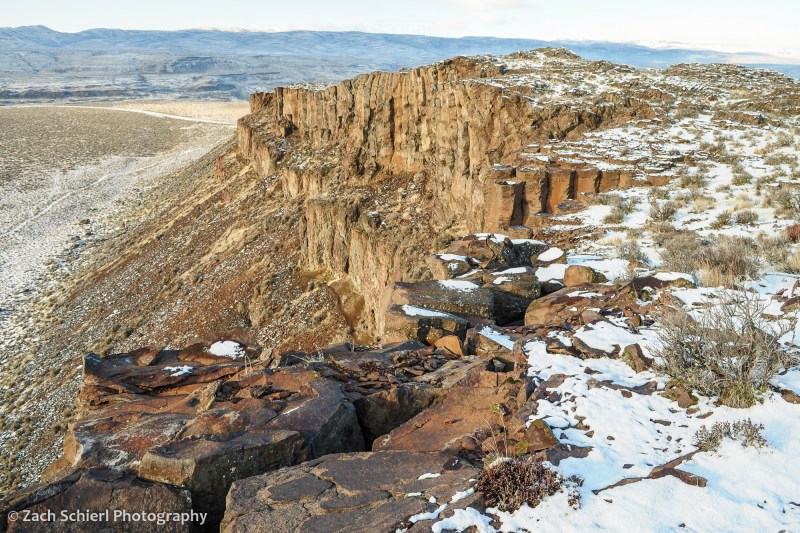
Layers of basalt form the rim of Echo Basin, a large coulee in central Washington.
Apparently a global pandemic is what it takes for me to have time to post new photos. We are thankful to be healthy and safe here in Washington and hope you are as well. Just before things started getting rough, we were excitedly welcoming the end of winter’s icy gray grip and had begun exploring the desert landscapes of central Washington.
The Pacific Northwest may not be known for its sand dunes but about one hour north of the Tri-Cities (Kennewick, Pasco, and Richland) lies the Juniper Dunes Wilderness Area, a ~7,000 acre BLM-managed anomaly in the middle of privately-owned central Washington farmland. The dune field itself extends well beyond the wilderness area, and is used heavily by off-highway vehicles. Most of the year, reaching the wilderness area on foot requires a several mile sand slog through the OHV area. Fortunately, in the spring months, the owners of an adjacent ranch allow access through their property, permitting direct and quick access to the heart of the dune field.

Large swaths of the Juniper Dunes are mantled with sagebrush and grasses, as well as some of the northernmost juniper trees in North America.
I first visited the Juniper Dunes on a geology field trip a decade ago and it is been on my list of places to revisit ever since. The dunes are a mix of active, shifting, barren sand, and partially stabilized dunes covered in grasses, moss, and sagebrush. The area also represents the northernmost extent of the western juniper (Juniperus occidentalis), a few of whose berries will be proudly featured in an upcoming brew from the Pyroclastic Pixels brewery. 🙂

Juniper Dunes Wilderness Area, Washington
During our visit at the beginning of March, the first vestiges of spring were appearing: namely, abundant sunshine and a handful of small wildflowers poking their heads out of the sand:

One of the first wildflowers of the season, Yellow Fritillary (Fritillaria pudica), poking through the sand.
A few weeks later, and just a few days before a statewide shelter-in-place order took effect, we “socially distanced” ourselves by heading to the White Bluffs, a several mile-long stretch of chalk-colored cliffs along the banks of the Columbia River directly across from the Hanford Site. Part of the Hanford Reach National Monument, the bluffs are a mixture of fine sediment, some deposited by the ancient Columbia River itself, and some by massive floods that swept across central and eastern Washington during the last “ice age” 12,000 to 18,000 years ago. Persistent winds scour loose sand from the cliffs and associated landslides, depositing it in a large dune field along the crest of the bluff.
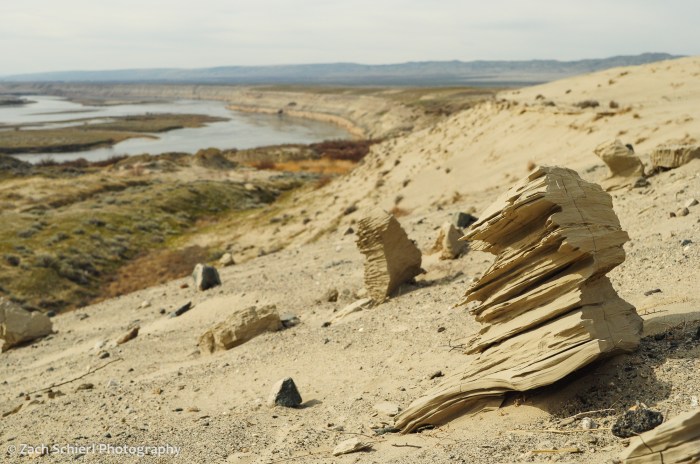
Wind abraded chunks of sediment rest on the ground with the Columbia River in the background.

The White Bluffs, Hanford Reach National Monument, Washington

Cliffs and sand dunes, Hanford Reach National Monument, Washington
The aforementioned floods shaped much of the modern topography of central and eastern Washington. One of the most spectacular features formed by these floods are the broad, steep-sided ravines known as coulees. Formed when floodwaters aggressively plucked large columns out of the basaltic lava flows that blanket much of the Pacific Northwest, most of the coulees are eerily dry today and not until the 1920s did geologists unravel their true origin. Two of the most impressive and easily accessible are Frenchmen Coulee and Echo Basin, just off of I-90 between Seattle and Spokane. Crammed with rock climbers in the good weather months, in mid-January when we visited we had the coulees almost entirely to ourselves:
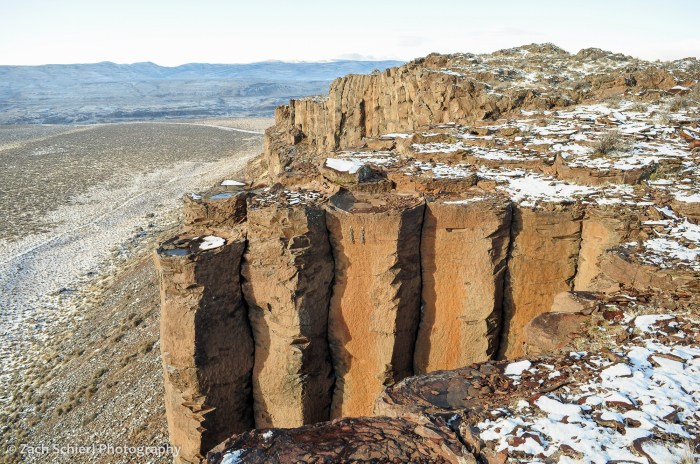
Large hexagonal columns of basalt along the rim of Echo Basin, a popular site for rock climbing…in the warmer months!

Looking west from Frenchman Coulee and Echo Basin toward Whisky Dick Mountain and the Wild Horse Wind Project.
More photos to come from the 2019 archives! I’ve also been working on creating a more comprehensive “Galleries” page where you can view my photos sorted by location. Check it out here.
Top 10 from 2014
As in past years, with the coming of the New Year I decided to take a look back at all the photos I took in 2014 and select some of my favorites to share with you here on the blog. Between finishing graduate school (yippee!) and making a permanent (for now) move from the Pacific Northwest to Colorado, I had less time to devote to photography than in previous years. Nevertheless, picking out my favorite photos was difficult as usual and a good reminder that I was fortunate to have the opportunity to experience and photograph a a number of new places in the past year, from the coasts of Olympic National Park to remote alpine basins in the Rocky Mountains.
Without further ado, here are my ten favorite photos from 2014 in chronological order. Here’s wishing you all a healthy and happy new year!
1. Tulip Fields at Sunset, Skagit Valley Tulip Festival, Washington

Held annually in April, the Skagit Valley Tulip Festival is a must see for any spring visitor to NW Washington, photography buff or not. On weekends, especially sunny ones, the tulip fields that spread out across the Skagit Valley about an hour north of Seattle are overrun, making photography difficult. Fortunately, I lived only about a half hour away and was able to visit on a less-busy weekday evening in order to photograph the picture-perfect bulbs in their prime and without the crowds.
2. American Bison, Yellowstone National Park

I’m going to come clean: this is the only photo on this list taken from the confines of my car! I was departing Yellowstone at the end of an impromptu day-trip to the park while attending a geology conference in Bozeman when I spotted this solitary bison along the road. Fortunately, no vehicles were coming up behind me so I was able to grab my camera and capture the glow of the late afternoon sunlight and the diffuse reflection of the bison in a pool of late-season snow melt.
3. Milky Way, Airglow, and Light Pollution from Hurricane Ridge, Olympic National Park, Washington

Living near Seattle doesn’t exactly do wonders for one’s chances of observing rare celestial events. What’s one to do? Get above the clouds of course! I was thrilled to be visiting Olympic National Park during the peak of the Cameleopardalids meteor shower in May. In order to get an unobstructed view, we made the drive up to Hurricane Ridge just before midnight in hopes of catching some meteors. As you may recall, the meteor shower fizzled spectacularly but all was not lost: I was able to capture this panorama of the summer Milky Way emerging from the disgusting Seattle light dome (over 50 miles away as the crow flies) as it rose in the west. Despite the light pollution, I also managed to capture the ghostly green glow of an atmospheric phenomenon known as “airglow” (which I’ve written about previously) and the low lying clouds smothering the Elwah River Valley several thousand feet below.
4. Giant Green Anemone (Anthopleura xanthogrammica), Olympic National Park

I developed a slight infatuation with seeking out and photographing marine life during my two years in Western Washington. Timing trips to the coast with some of the lowest tides of the year helped me discover a wide variety of anemones, nudibranchs, sea stars, urchins, and much more. Anemones were perhaps my favorite group to photograph, their neon-colored and delicate tentacles waving back and forth in the surf.
5. Panorama from Hole-in-the-Wall, Rialto Beach, Olympic National Park
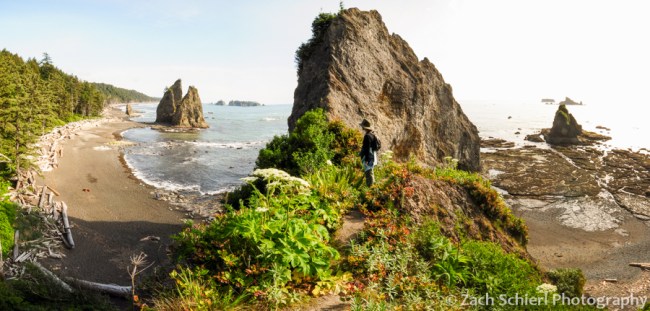
Rialto Beach is one of the most popular spots in Olympic National Park…for obvious reasons. The short 2-mile hike to Hole-in-the-Wall was one of my favorite experiences this year. Once reaching the famous rock formation, we found an nearly entirely overgrown path that led us up to a viewpoint on the crest of Hole-in-the-Wall, getting us away from the surprisingly scant Memorial Day crowds and immersing us in expansive views of sea stacks, rocks, and islands along the Olympic coast.
6. Summer Wildflowers at Ice Lake, San Juan Mountains, Colorado

Despite my ravings about Rialto Beach in the previous photo, our trek to Ice Lake in the San Juan Mountains of Colorado was hands down my favorite hike of the year, and one of my most memorable ever. My only regret about this day was that we weren’t prepared for an overnight (or at least a hike back to the car in the dark!), which means I missed out on what was surely a epic sunset from the basin. Click the link above for more photos of this spectacular place.
7. Ice Lake Panorama, San Juan Mountains, Colorado
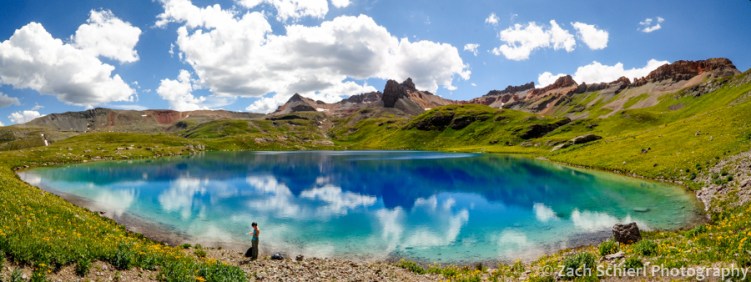
Did I mention Ice Lake was spectacular? It snagged two of the coveted spots on the top 10 list. That means you have to go.
8. Circumpolar Star Trails from Escalante Canyon, Colorado

Photographing star trails is a bit more complex in the digital age than it was with film. This was only my second legitimate attempt, but I was happy with how it turned out. Extremely long single exposures suffer from a variety of maladies so this photo is actually a composite of over 100 consecutive 30″ exposures (for the stars), and one 3″ exposure for the foreground juniper which I illuminated with a headlamp. In post-processing, I had the pleasure of removing more than a dozen aircraft which passed overhead during the hour or so it took to gather the series of exposures. I elected not to remove the two meteors (astronomical objects flashing through the frame are fine by me) but I’m looking forward to doing some more star trail photography from places not on major transcontinental flight paths.
9. Exclamation Point, Black Canyon of the Gunnison, Colorado
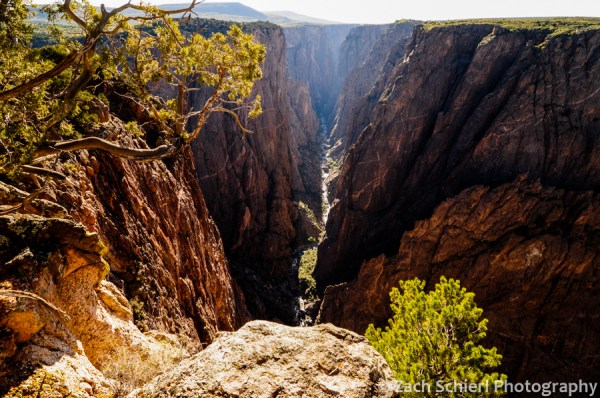
I love this photo because it exemplifies how the canyon got its name. Despite being taken at 10 o’clock in the morning, the narrow gorge carved into dark Precambrian metamorphic rocks remained shrouded in shadow, while its surroundings (and portions of the canyon bottom) are basking in the bright, mid-morning sunshine. This photo was taken from an overlook on the remote and seldom visited North Rim of Black Canyon, which offers the most spectacular views into the narrowest portion of this amazing gorge and is truly worth the effort to visit.
10. Waving Aspen and Grasses, Rocky Mountain National Park, Colorado

I didn’t purchase any new camera gear this year, but was the recipient of a 9-stop neutral density filter for my birthday, a filter I’ve been wanting to experiment with for a while now. That filter allowed me to take this photo, a 30″ exposure at f/22 in broad daylight, and capture the motion of a colorful aspen and meadow grasses waving in the wind on a autumn day in Rocky Mountain National Park.


 Zach Schierl Photography