Four Years in the Making: A European Adventure


Almost four years ago, my wife and I started to plan a trip through Europe that we intended to take in the summer of 2019. My term job with the National Park Service was coming to an end, and we were staring at a summer of unemployment anyways, so it seemed like a good time to go on the sort of extended trip we had long desired. I ended up getting a new job sooner than expected, so after a quick 2-week trip to Alaska, we spent the summer visiting family and then schlepping our belongings back to Washington instead. Given that our new jobs included the prospect of time off in the summer, we figured we’d just go the following year. The following summer, of course, turned out to be the summer of 2020, when travel to most countries wasn’t just a bad idea, but actually impossible due to COVID border restrictions. Summer 2021 wasn’t much better.
After biding our time watching travel videos on YouTube for the past several years, sometime this past winter we decided to give it a go in summer 2022. To be honest, for most of this past spring I was skeptical it would actually happen. Even after we booked plane tickets in February, between the ever-evolving COVID-situation, news story after news story about travel chaos in European airports, and a horrible war breaking out just a few countries away from our intended destination, it seemed like it would take a minor miracle to pull off this trip successfully.
In the end though, we completed a fabulous four-week trip through five eastern European countries (Slovenia, Croatia, Bosnia & Herzegovina, Montenegro, and Albania) and the worst thing that happened was a bout of food poisoning in Albania. We didn’t get stranded anywhere, no flights got cancelled, no one got COVID…heck, even the food poisoning happened on the just-in-case “cushion day” we had built into the end of our trip. Everything went as according to plan as we could have hoped for, and for that we are very thankful. It was so exciting to finally make this trip happen!
I’m planning to share photos and insights from our travels in a series of posts over the coming weeks (months? years? who knows…). It was a blast to photograph a natural and cultural environment so different from that of the American West. I anguished over what photo equipment to pack in advance. Our goal was to pack light and my normal kit is…well…not so light. For the last several years I’ve taken most of my photos with a Nikon 24-70 mm f/2.8 zoom lens. It is incredibly versatile, sharp, and excellent in low light, but weighing in at over 2 pounds, I knew it wouldn’t be fun to lug around the streets and trails of Europe for a month.
After much deliberation, I ended up buying a used Nikon 28-200 mm lens off eBay as my primary lens for the trip. While it was a noticeable step-down in quality from the 24-70 mm, it performed adequately in the daytime and replaced nearly the entire focal range of what, for me, is normally four pounds of lens…all in just 12 ounces! I also brought two small, lightweight prime lenses, a 20mm f/1.8 and a 50mm f/1.8, for times when I needed better low-light performance or just better all-around image quality. I was pretty happy with how things turned out. In hindsight, the only thing I might have done differently was bring along a small lightweight tripod.
We utilized almost every possible form of transportation on this trip: plane, train, car, taxi, bus, tram, ferry, kayak, cable car, bike…and LOTS of walking! To get to Europe we flew from Seattle to Calgary to London to Ljubljana, the capitol of Slovenia. We gave ourselves a full 24 hour layover in London in case of flight delays. Fortunately, we arrived right on schedule and had a fun day exploring London. While I had flown through London-Heathrow on a previous trip to Italy, this was the first time I had left the airport in the UK. London was fun, though extremely crowded and a little overwhelming. We basically just walked around for 24 hours in a jet-lagged state. The highlight for me was finding a hole-in-the-wall craft brewery on the south side of the Thames where I got to enjoy a few authentic British cask ales. It was a rather drab and gray (ahem, “grey”) day (we missed the record-breaking heatwave by 24 hours) so not the best environment for photos, but I did get a few nice shots of Tower Bridge in the evening as we meandered back to our hotel:

After our one night stopover in London, it was on to Slovenia and the Julian Alps!
Looking back at Spring

Spring is my favorite season here in central Washington. Our winters, while short and relatively mild in terms of snowfall and temperatures, can be quite dreary. Temperature inversions, freezing fog, and bad air quality are a staple of our weather forecasts from November to February. Summers can be brutally hot: the third digit on my home weather station spends quite a bit of time illuminated from June through August. While conditions in the Cascades are more tolerable, here in the arid sagebrush-steppe of the Yakima Valley, shade trees are found only along rivers and in watered urban backyards.
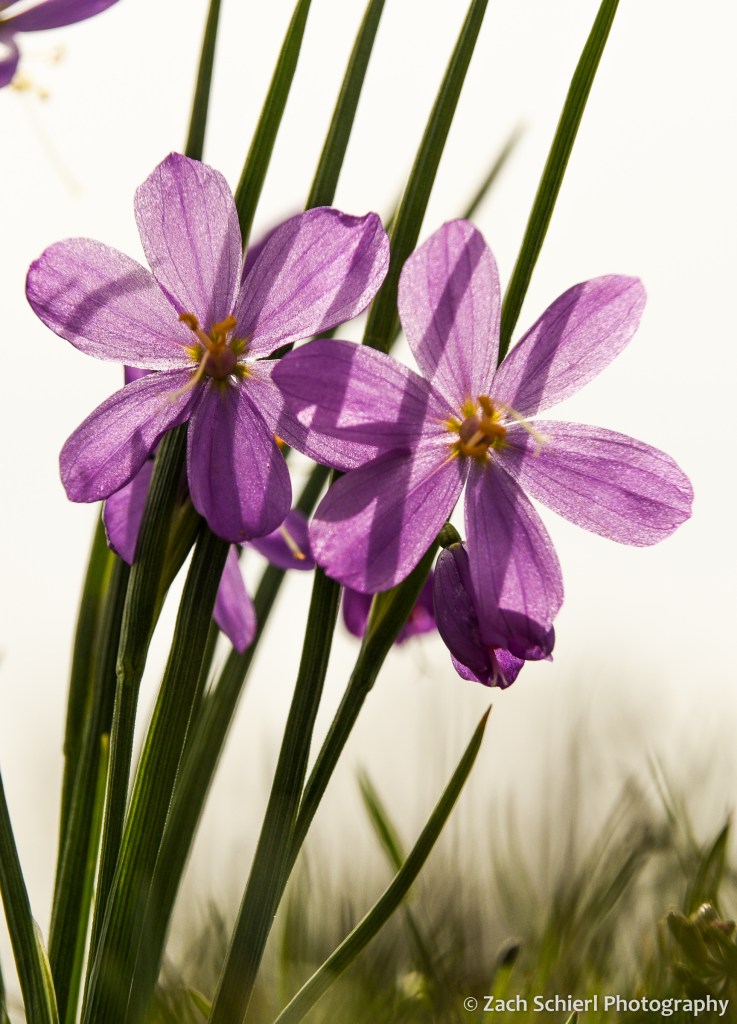
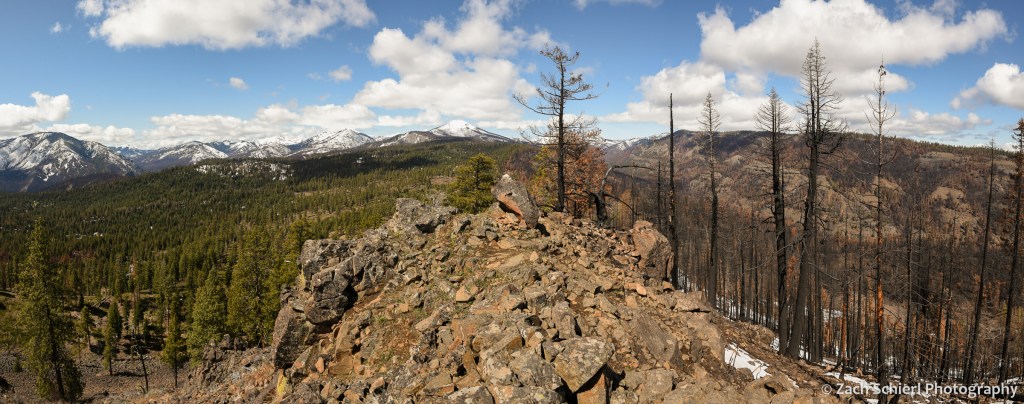
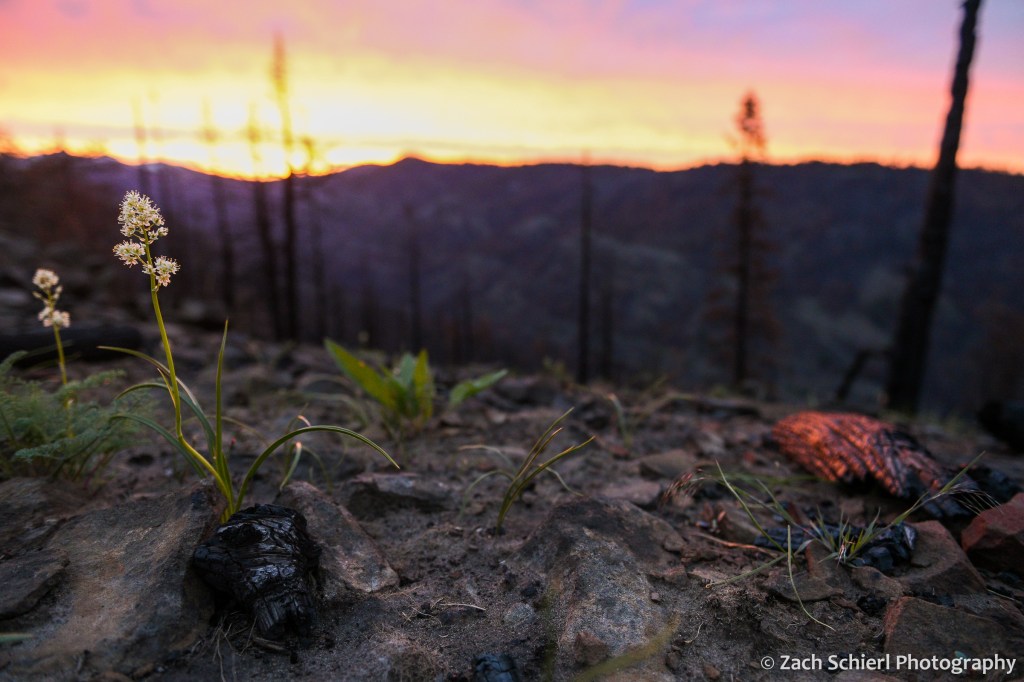
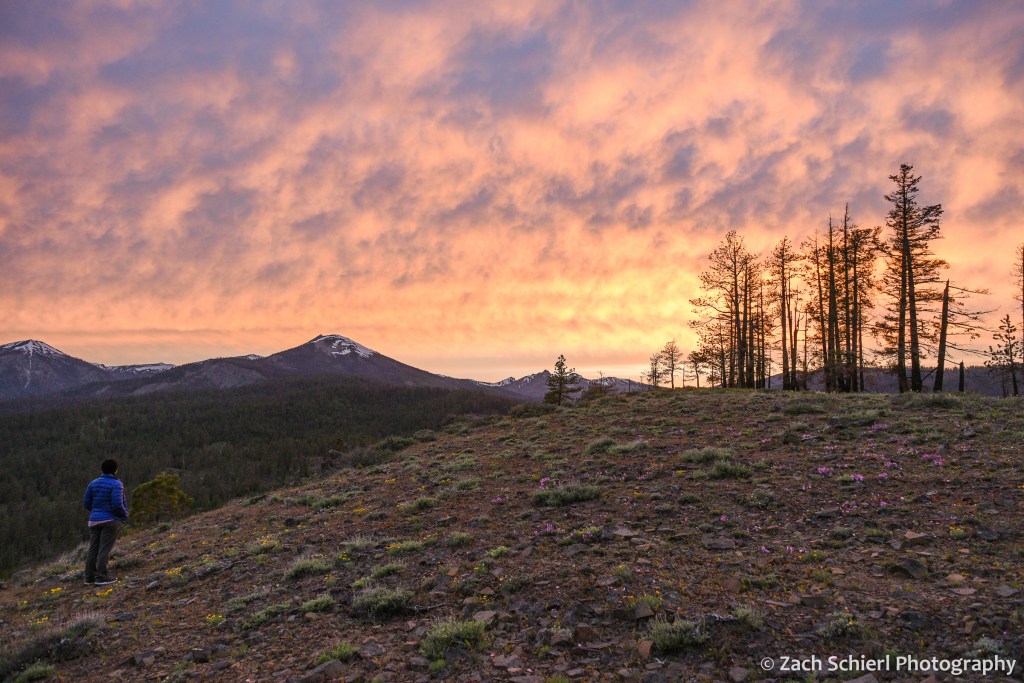
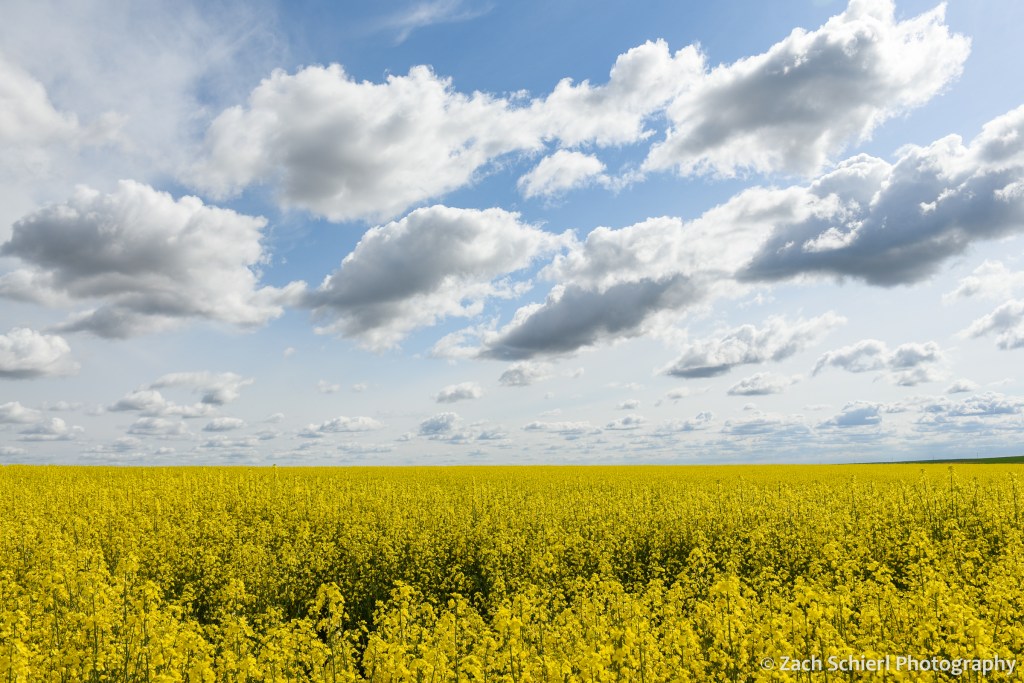
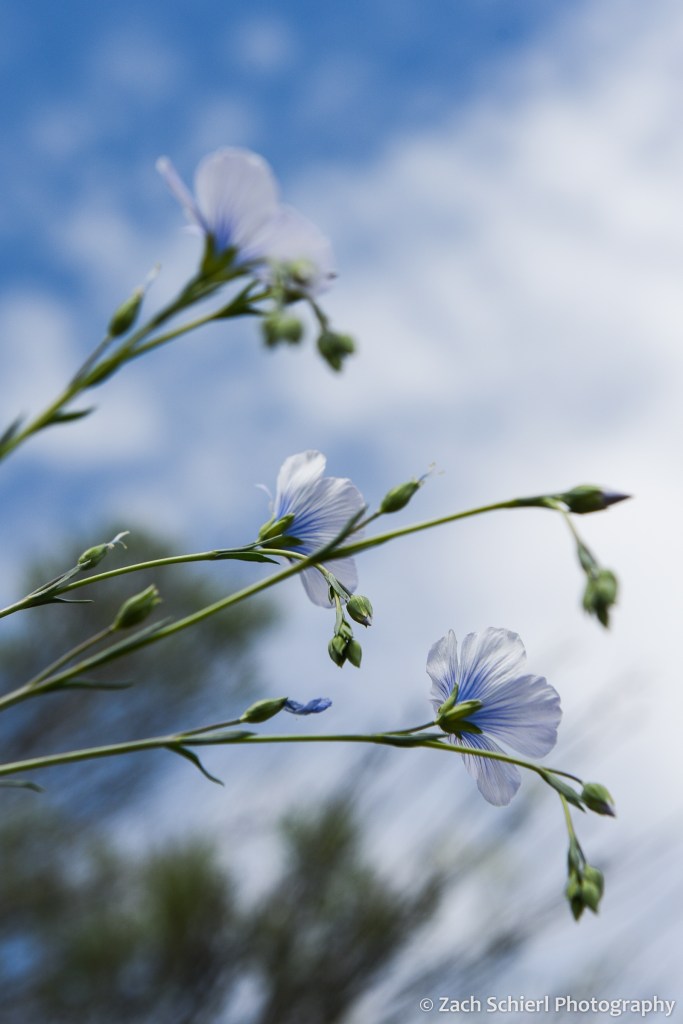
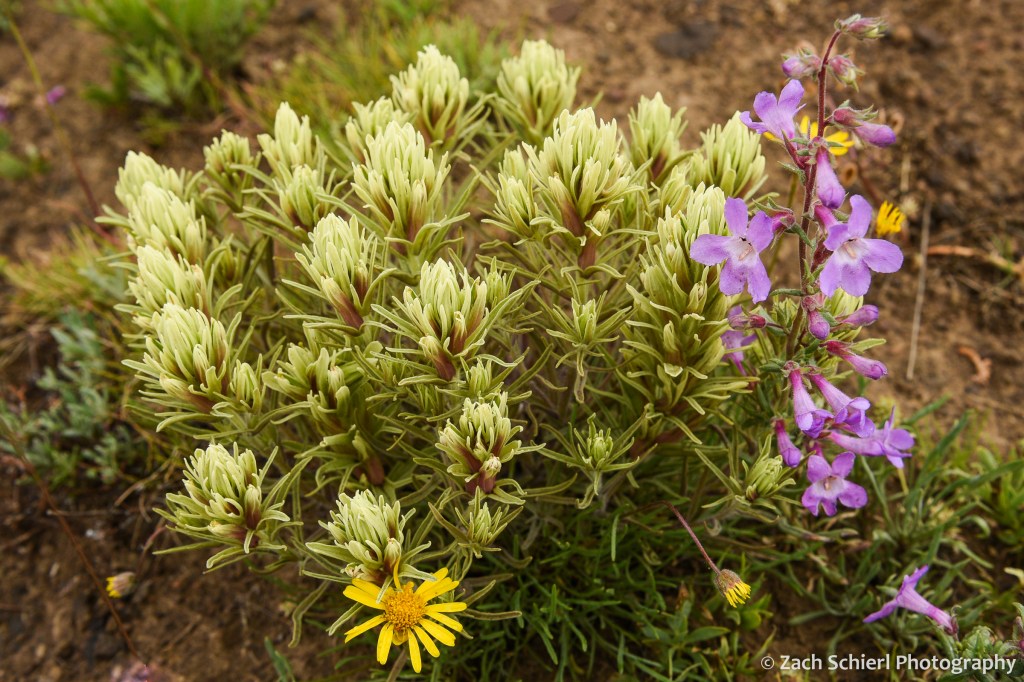
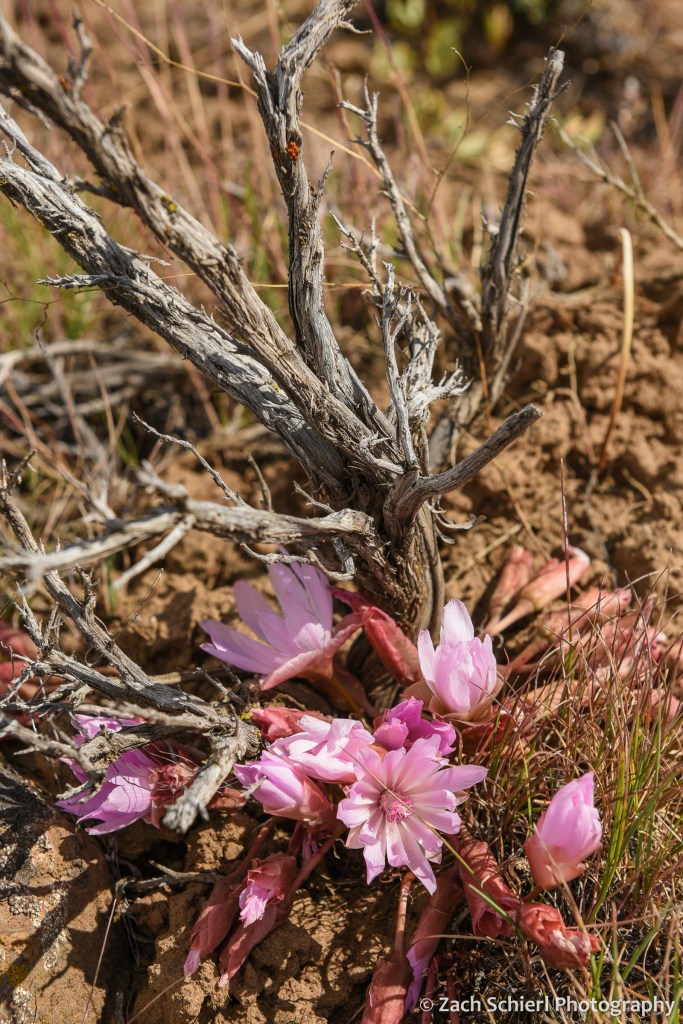
Spring holds the perfect balance: the days get progressively longer, conditions are perfect for outdoor exploring, and, as an added bonus, foothills of the Cascades come alive with wildflowers (one of my favorite photographic subjects the past few years.) Fall has its merits as well, but the with the onset of winter occupying the back of ones mind, the urge to get outside before the snow starts falling can feel almost stressful compared to the relaxed bliss of spring.
Here are some of my favorite photos from this past spring, from March’s vernal equinox up through June’s summer solstice:



Aurora Borealis from Washington

One of the great things about living in Washington is the occasional opportunity to see the aurora borealis (northern lights). While we rarely get the all-sky displays that are common in Alaska, Canada, or Scandinavia, there are typically at least a few nights per year where they are bright enough to see dancing on the northern horizon with the naked eye. This has been especially true this past year, as the Sun inches toward the next solar maximum in 2025. (Aurora are the result of interactions between our atmosphere, magnetic field, and charged particles spit out by the Sun. More solar activity generally means more opportunities to see aurorae.)
This past week, I witnessed a stellar (by Washington standards at least) auroral show. In a stroke of luck, I was already scheduled to lead a public stargazing event on the evening that Earth was hit by a large coronal mass ejection (CME), a burst of charged particles from the Sun that can trigger aurorae upon arrival at Earth. It was quite a treat for everyone, given that “see the northern lights” was not part of our event advertising. Instead, it was a nice bonus for everyone that braved the still-rather-chilly-and-windy spring weather.

This was my fourth time seeing the northern lights: three times from Washington, and once, oddly, from southern Utah. One big takeaway is that the show is a little different each time. This was the first time I had seen or photographed a red aurora. What’s more, the red color was easily visible to the naked eye. Seeing the sky glowing red was quite a strange sight; it felt like something was wrong with my eyes. In the photos, the aurora has an almost pink or magenta color, something that seems to be relatively uncommon. The display was brief: after less than 30 minutes, the lights dissipated.

Comparing these photos to one from my last sighting in October 2021, it’s almost hard to believe they are the same phenomenon. In October, the lights hugged the horizon and the green color was not nearly as apparent to the naked eye. (I find this odd given that the human eye is much more sensitive to green light than red light, especially at night…would expect it to be the other way around.)

These tantalizing glimpses of the aurora borealis the last few months are making me want to plan a winter trip to Alaska in the next few years while the Sun remains active. Fingers crossed we can make it happen!
 Zach Schierl Photography