A Break from Winter in the Sonoran Desert
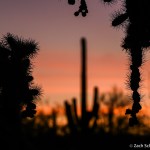

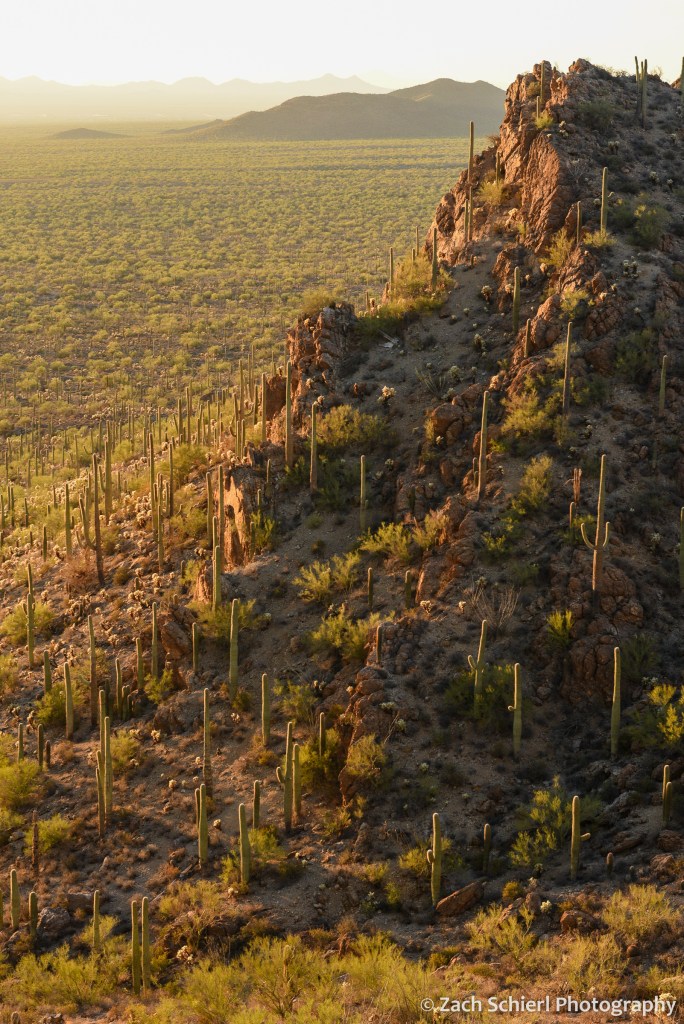
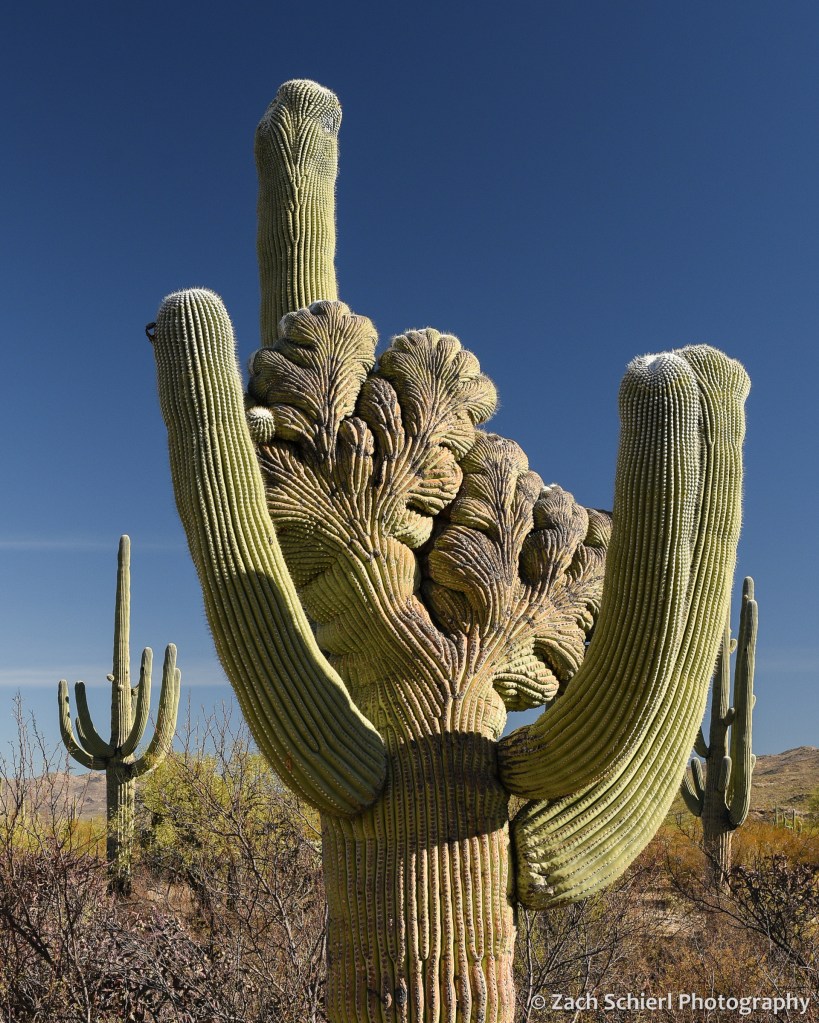
Happy New Year! For the first time since 2019, we were able to visit family in Arizona for the holidays this year. (We had tickets last year, but Southwest Airlines had other plans…) The cheapest flights were into Tucson, so I got to spend a few days hiking and shooting photos in the sunny and 75° Sonoran Desert for a few days at the beginning of the trip. It was a lovely break from the cold, gray central Washington winter, and it is hard to come away from an Arizona sunset without at least a few good photos! Here are a few of my favorites:




Adventures with a telephoto lens (Part 1)

As a landscape photographer, I’ve never spent that much time working with telephoto lenses. For about as long as I’ve owned a DSLR, I’ve had an old Tamron 70-300 mm that I use mostly for taking photos of wildlife that would be inadvisable to get too close to. For a lens that only cost me a few hundred dollars, it takes pretty solid photos, but at a maximum zoom of 300 mm, it just doesn’t have the reach to capture anything more than a few dozen yards away in any detail.
This winter I decided to splurge on a telephoto lens upgrade by purchasing an AF-S NIKKOR 200-500mm f/5.6E ED VR lens. For me, “splurging” means buying used on eBay, and unfortunately the first lens I won arrived rattling around loose in a paper-thin box with virtually no padding whatsoever. There was some external damage that hadn’t been disclosed in the auction listing, and, upon taking it outside for the first time, I quickly realized that the electronic aperture was non-functional. Fortunately, when I confronted the seller about these issues, I got my money back no questions asked.
It took a few more months to find another lens at a price I was comfortable paying, but by early March I finally had my hands on a non-damaged copy. Weighing in at around five pounds, this is an absolute beast of a lens. Thankfully, the tripod mount & collar that it comes with make a nice ergonomic handle to carry the entire kit by hand. (It’s actually been sort of nice to NOT have a camera slung over my shoulder for most of the past few months!) One does attract attention with a lens this large though: On a recent hike up the Carbon River Road in Mt. Rainier National Park, nearly every hiker I passed asked me some version of “Get any good photos today?” (I hadn’t really, and started answering honestly toward the end of the hike, which really seemed to throw people for a loop.)
Performance-wise, I’ve been really impressed with the lens so far. It’s been fun to use, both for wildlife and for closely framed landscape shots. The optics are sharp, and the vibration reduction is quite effective, allowing me to capture crisp images even at 500 mm in low light at sunset, which is pretty wild. This may be an entry-level telephoto, but it’s still a huge upgrade over anything I’ve shot with previously. Even after I made the decision to buy the lens, I had lingering doubts about how much I would actually use it given its size. Those concerns have been put to rest. To my surprise, I’ve spent most of the spring with this lens attached to my camera and have even been comfortable enough with its versatility to take only this lens on several hikes.
Without further ado, here are some of my favorite shots with the lens so far:


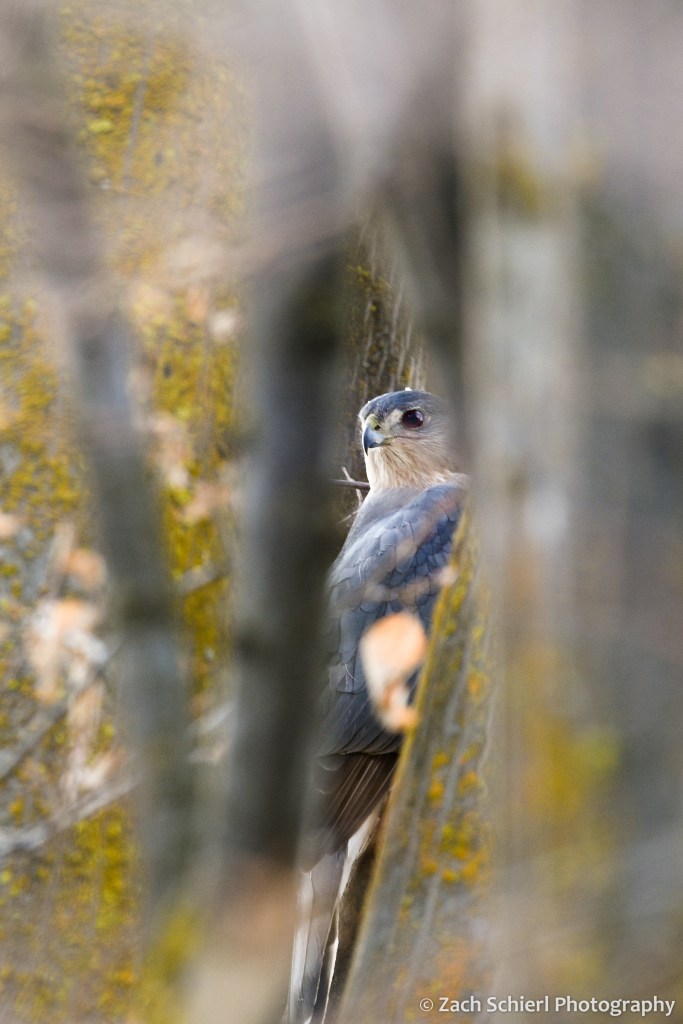


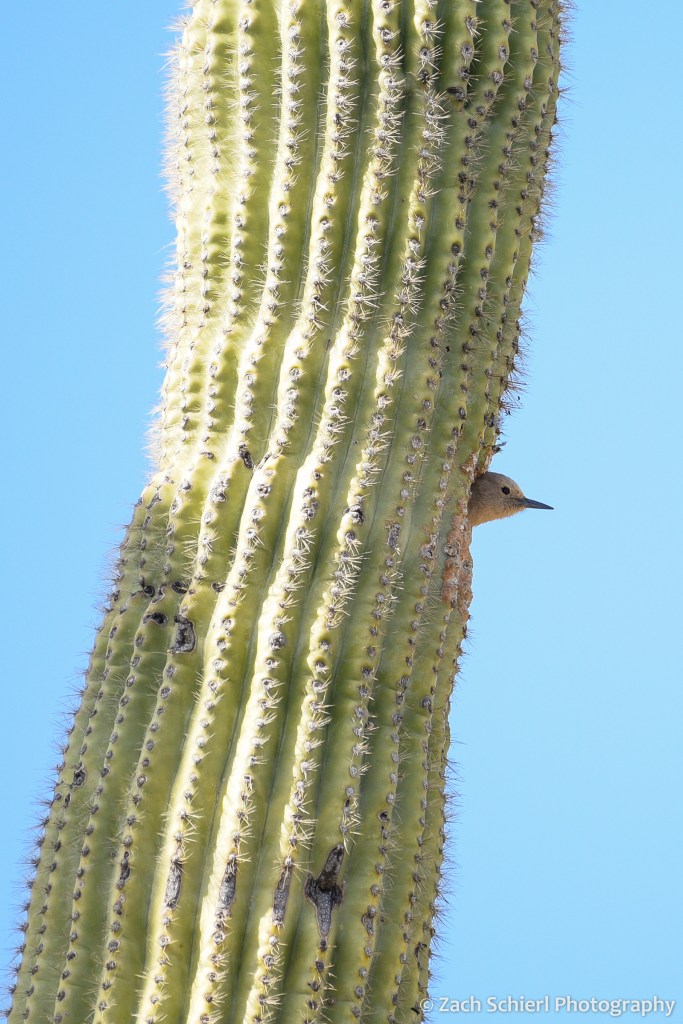

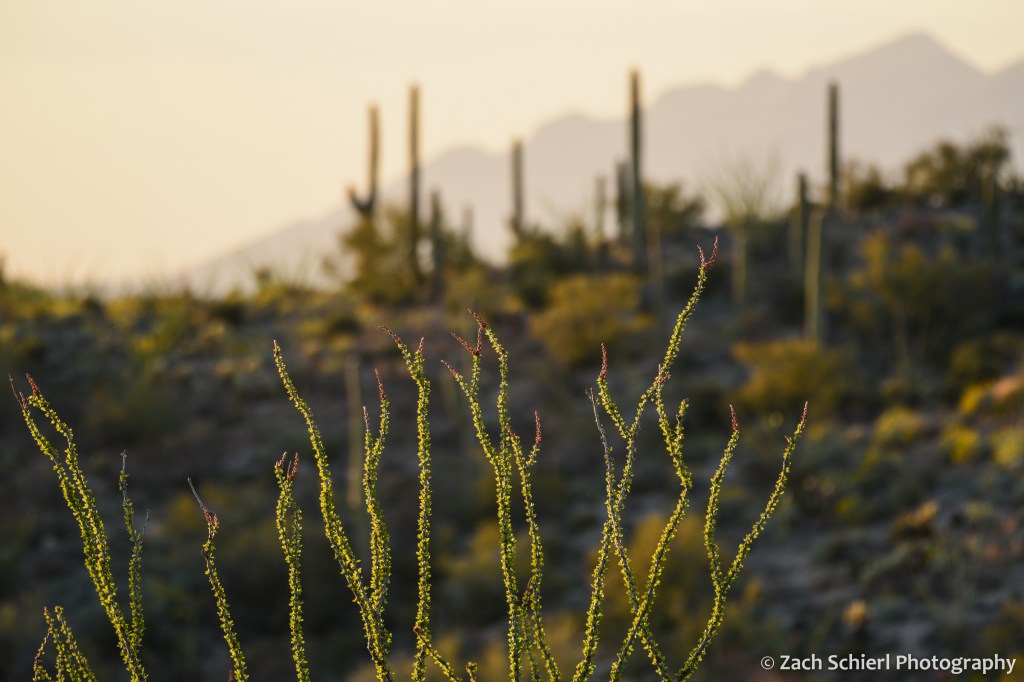
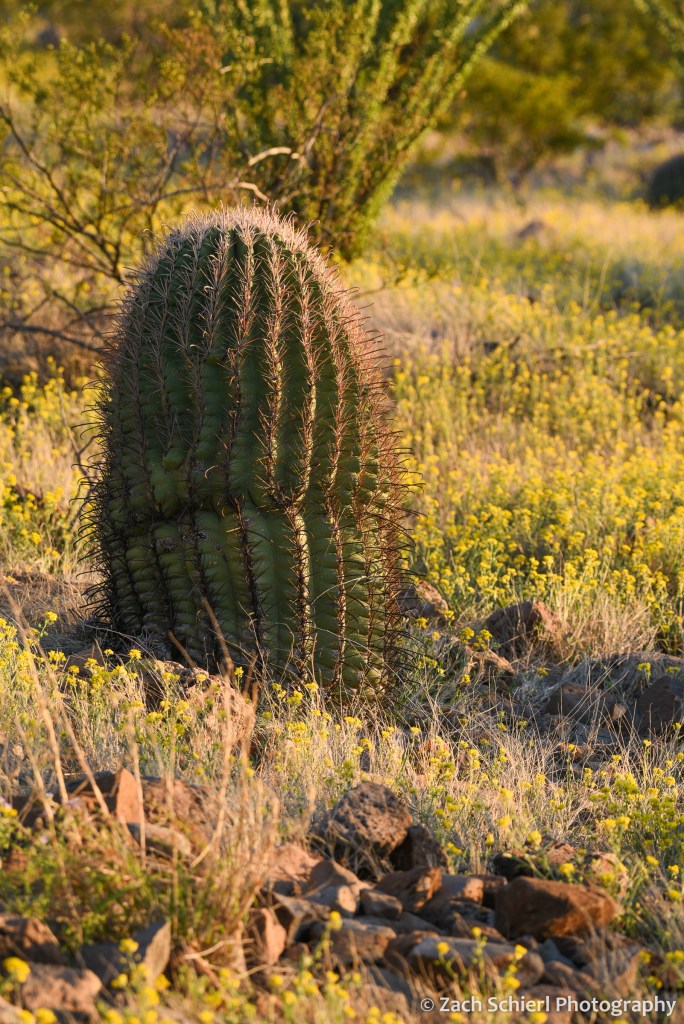

Several of the wildflower photos in my last post were also taken with this lens. Part two coming soon!
Giants of the Desert(s)


Star trails and high clouds from Jumbo Rocks Campground, Joshua Tree National Park
Driving across the southwestern United States, one could be forgiven for thinking that all deserts are the same. However, differences in elevation, temperature, topography, and precipitation make them distinct in ways that are often hard to comprehend from a fast-moving car.
For all their differences though, both the subtle and the striking, the Mojave and Sonoran Deserts share one thing in common; the most visible symbol of each is a large, majestic, and photogenic plant perfectly suited for the harsh conditions in which it evolved to inhabit.

A spectacular winter sunset at Joshua Tree National Park
For the Mojave Desert, that plant is the Joshua tree (Yucca brevifolia). Not actually a tree but rather, as the scientific name betrays, a species of Yucca, early settlers bestowed the befuddling name upon this plant after noticing that the contorted arms resembled the prophet Joshua raising his arms to the sky in prayer.
Today, the Joshua tree is considered an indicator species for the Mojave Desert, as many other inhabitants of the Mojave (two-legged, four-legged, and winged alike) depend on it for survival. The Joshua tree grows through portions of western Arizona, southeastern California, and southern Nevada, but some of the largest and healthiest stands are protected within the boundaries of Joshua Tree National Park and Mojave National Preserve.
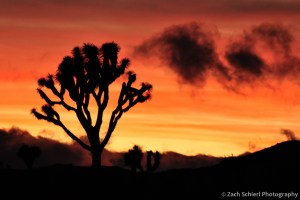

Sunset colors illuminate the landscape at Joshua Tree National Park
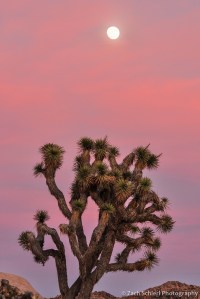
A nearly full moon hovers over a Joshua tree at sunset
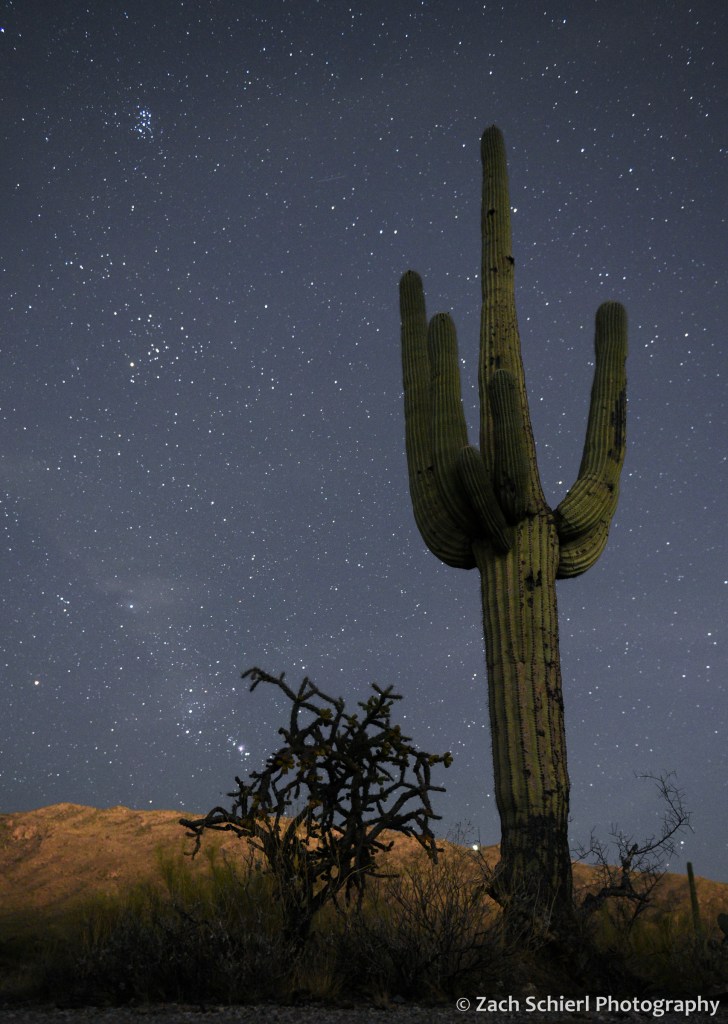
For the Sonoran Desert, the symbolic plant is the saguaro cactus (Carnegiea gigantea). Despite the nearly ubiquitous use of the saguaro as a symbol of the American Southwest, this excruciatingly slow growing cactus actually only grows in a small portion of the Sonoran Desert extending from extreme northwestern Mexico into south-central Arizona.

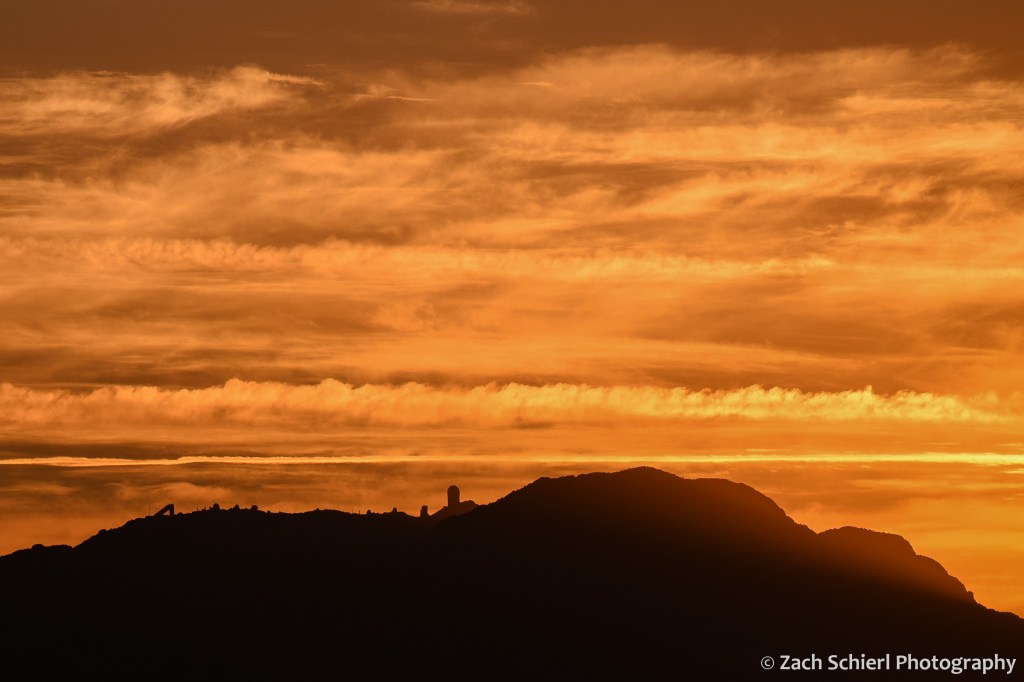
Sunset from the Gould Mine Trail in Saguaro National Park. On the horizon is Kitt Peak, home to one of the largest astronomical observatories in the United States
Like the Joshua tree in the Mojave, the saguaro is an integral part of the Sonoran Desert ecosystem. Birds such as the Gila woodpecker nest within the flesh of the cactus while the fruits and flowers provide a source of food for many other species, including humans. When the end finally comes for a saguaro (which can take well over 100 years), the flesh rots away to reveal an internal structure consisting of a series of wooden ribs, which often remain standing long after the saguaro dies:
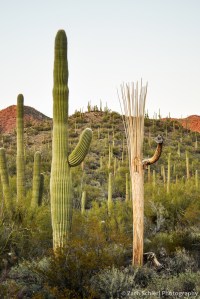
A young saguaro mimics a neighbor who has seen better days
Both the saguaro and Joshua tree face serious threats; in the long term from a climate that may change faster than they are able to migrate, and in the short term from a loss of habitat due to rapidly ballooning human populations in the desert regions that these giants inhabit.
 Zach Schierl Photography