A Break from Winter in the Sonoran Desert

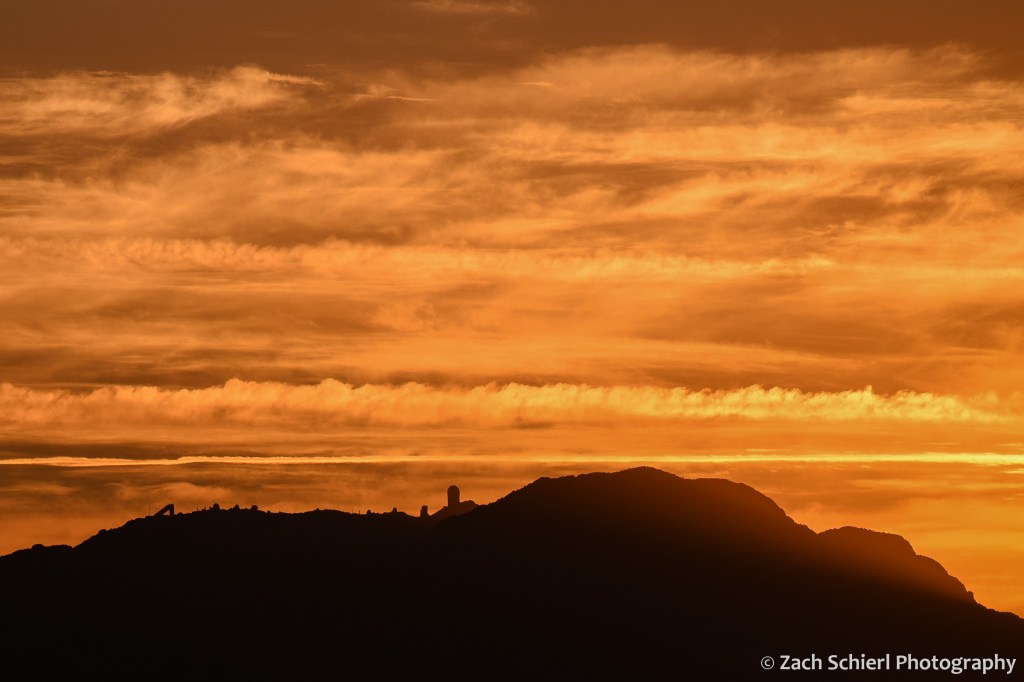
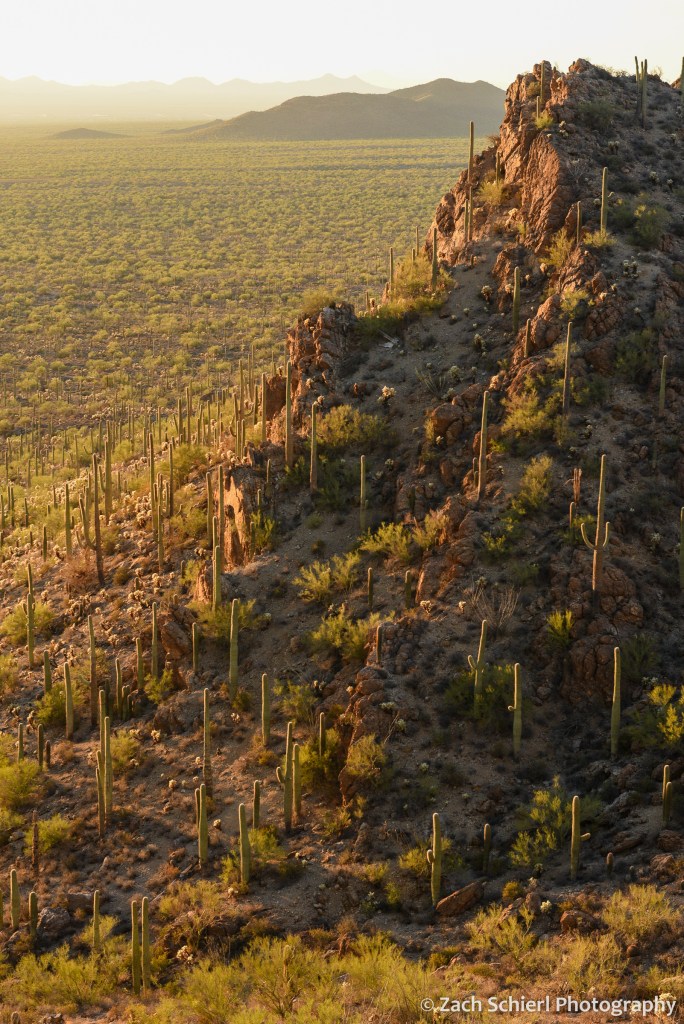
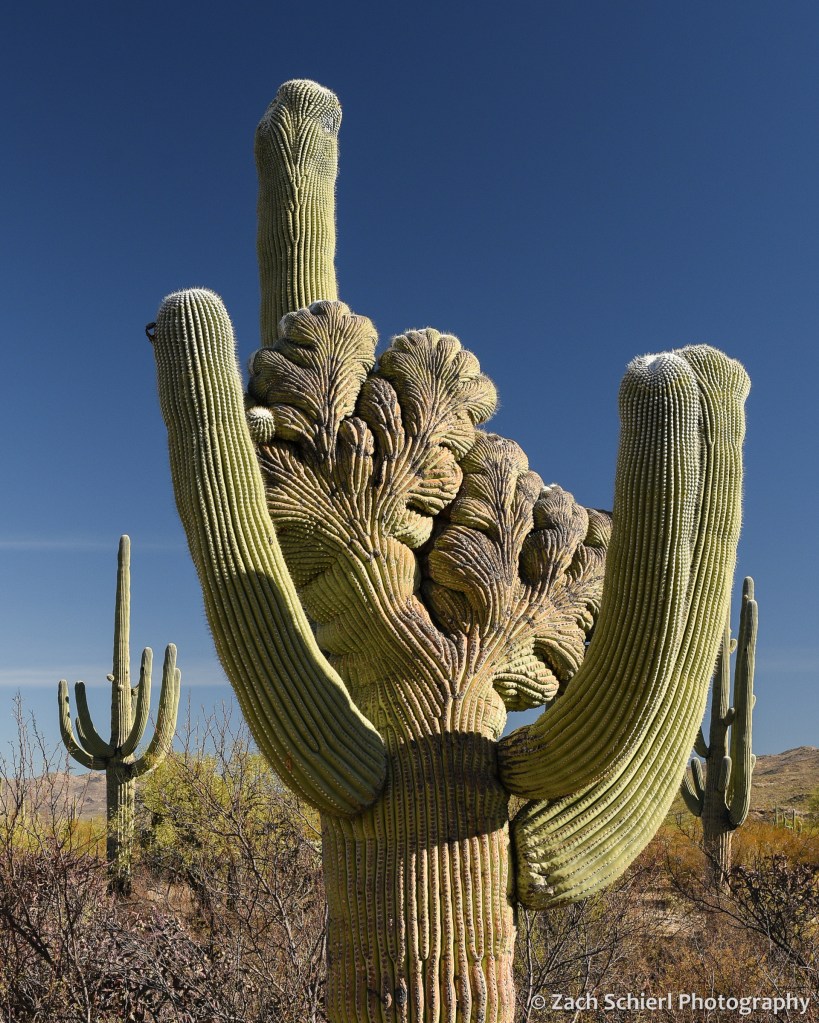
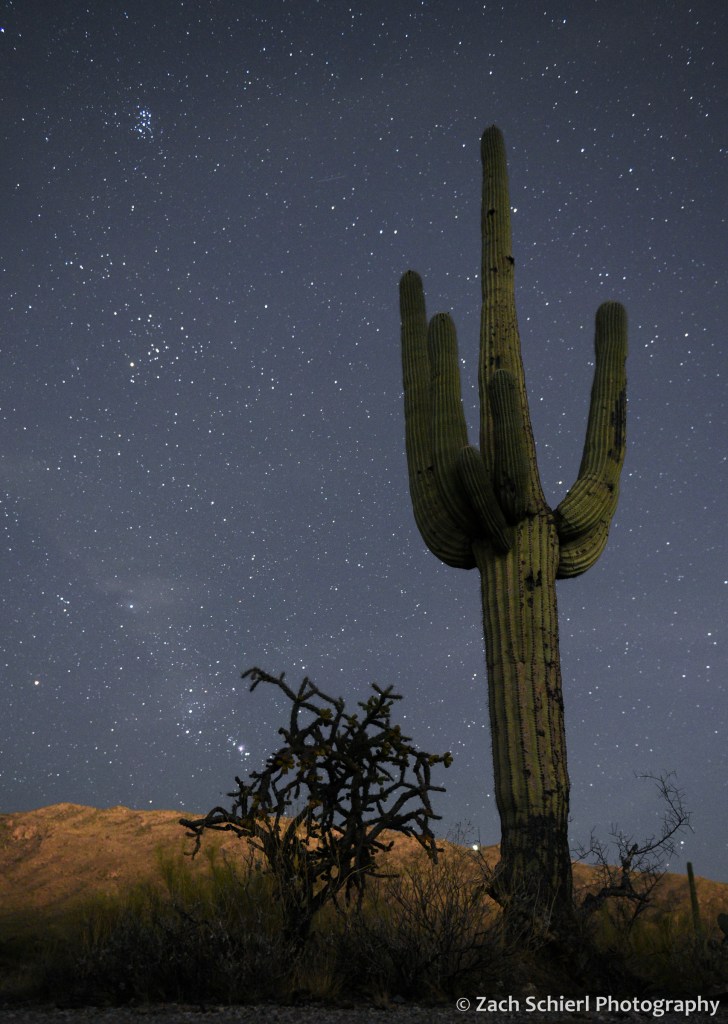
Happy New Year! For the first time since 2019, we were able to visit family in Arizona for the holidays this year. (We had tickets last year, but Southwest Airlines had other plans…) The cheapest flights were into Tucson, so I got to spend a few days hiking and shooting photos in the sunny and 75° Sonoran Desert for a few days at the beginning of the trip. It was a lovely break from the cold, gray central Washington winter, and it is hard to come away from an Arizona sunset without at least a few good photos! Here are a few of my favorites:




Adventures with a telephoto lens (Part 1)

As a landscape photographer, I’ve never spent that much time working with telephoto lenses. For about as long as I’ve owned a DSLR, I’ve had an old Tamron 70-300 mm that I use mostly for taking photos of wildlife that would be inadvisable to get too close to. For a lens that only cost me a few hundred dollars, it takes pretty solid photos, but at a maximum zoom of 300 mm, it just doesn’t have the reach to capture anything more than a few dozen yards away in any detail.
This winter I decided to splurge on a telephoto lens upgrade by purchasing an AF-S NIKKOR 200-500mm f/5.6E ED VR lens. For me, “splurging” means buying used on eBay, and unfortunately the first lens I won arrived rattling around loose in a paper-thin box with virtually no padding whatsoever. There was some external damage that hadn’t been disclosed in the auction listing, and, upon taking it outside for the first time, I quickly realized that the electronic aperture was non-functional. Fortunately, when I confronted the seller about these issues, I got my money back no questions asked.
It took a few more months to find another lens at a price I was comfortable paying, but by early March I finally had my hands on a non-damaged copy. Weighing in at around five pounds, this is an absolute beast of a lens. Thankfully, the tripod mount & collar that it comes with make a nice ergonomic handle to carry the entire kit by hand. (It’s actually been sort of nice to NOT have a camera slung over my shoulder for most of the past few months!) One does attract attention with a lens this large though: On a recent hike up the Carbon River Road in Mt. Rainier National Park, nearly every hiker I passed asked me some version of “Get any good photos today?” (I hadn’t really, and started answering honestly toward the end of the hike, which really seemed to throw people for a loop.)
Performance-wise, I’ve been really impressed with the lens so far. It’s been fun to use, both for wildlife and for closely framed landscape shots. The optics are sharp, and the vibration reduction is quite effective, allowing me to capture crisp images even at 500 mm in low light at sunset, which is pretty wild. This may be an entry-level telephoto, but it’s still a huge upgrade over anything I’ve shot with previously. Even after I made the decision to buy the lens, I had lingering doubts about how much I would actually use it given its size. Those concerns have been put to rest. To my surprise, I’ve spent most of the spring with this lens attached to my camera and have even been comfortable enough with its versatility to take only this lens on several hikes.
Without further ado, here are some of my favorite shots with the lens so far:


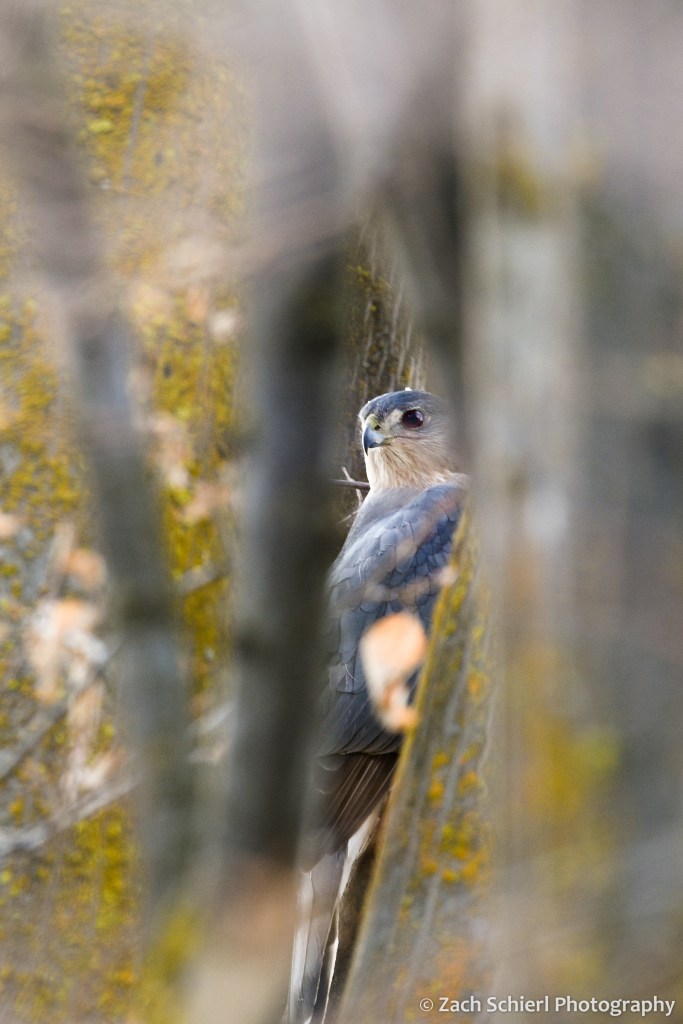


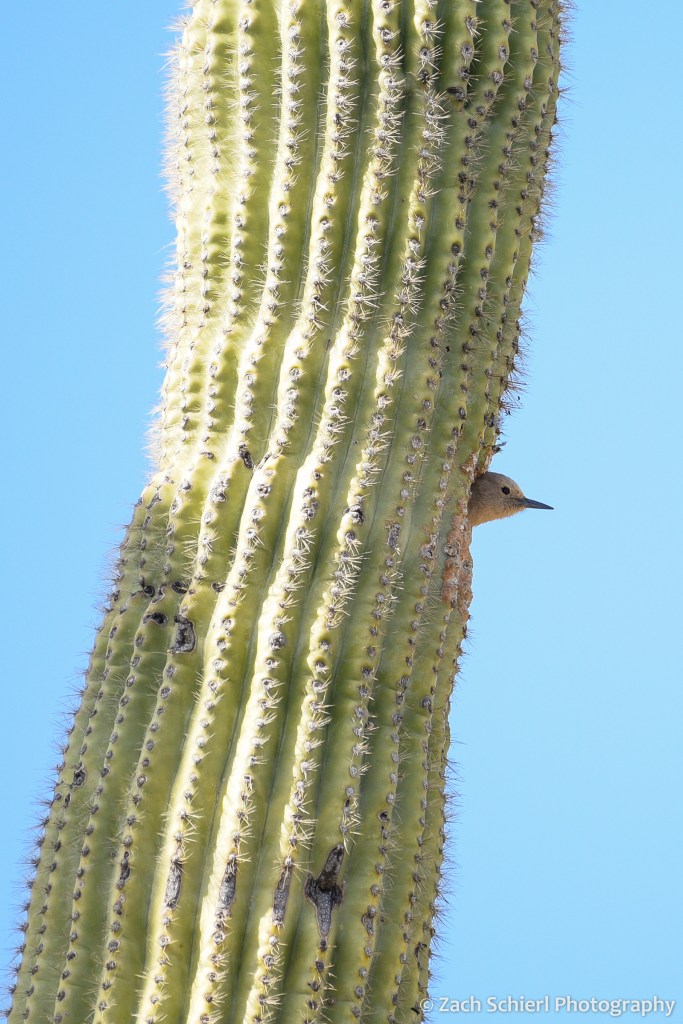

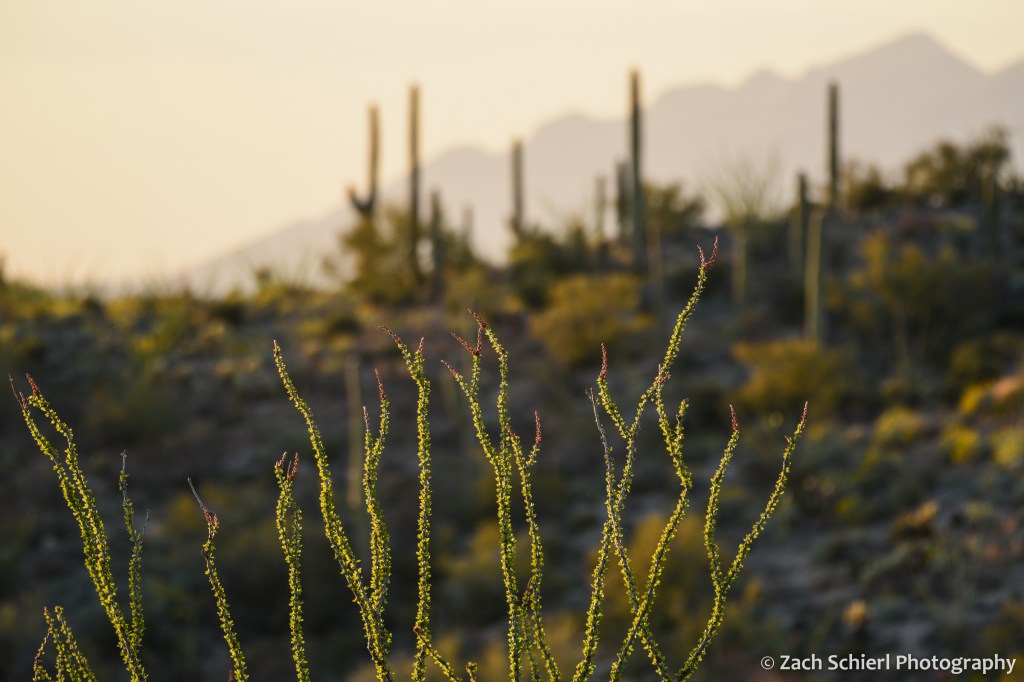
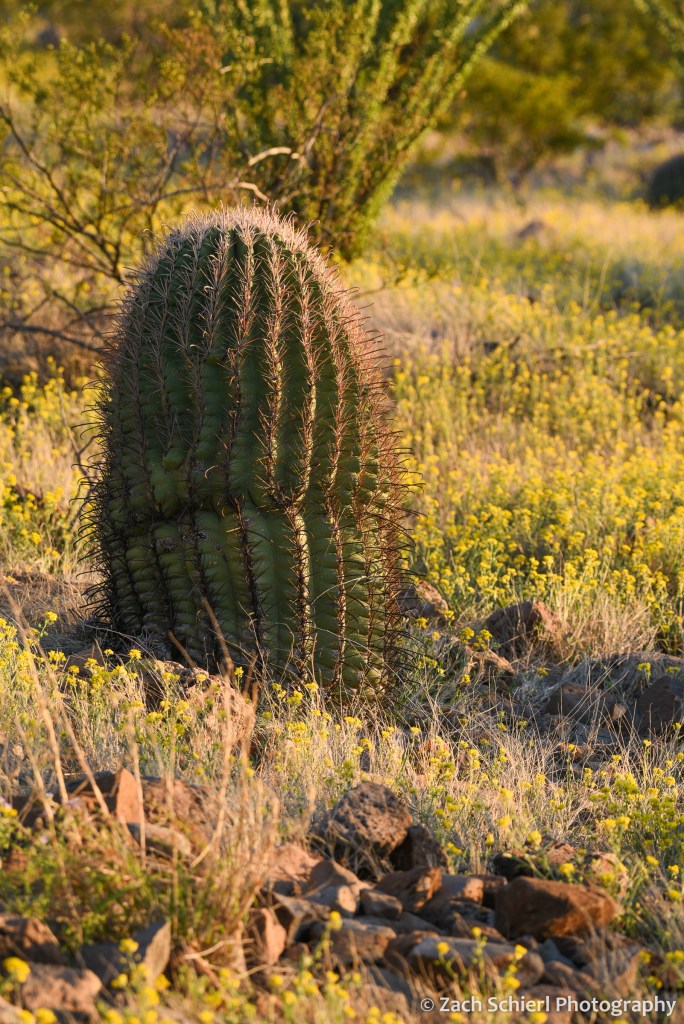

Several of the wildflower photos in my last post were also taken with this lens. Part two coming soon!
More Spring Wildflowers (this time with spines!)


A clump of hedgehog cacti (Pediocactus nigrispinus) blooming in the deserts of central Washington
One of our favorite times of year when living in southern Utah was late spring, when the desert would come alive with a wide variety of vibrantly colored cactus blossoms (which were soon followed by delicious fruits that made superb sauces, beer, and margaritas!) Central Washington is a bit lacking in the cacti-department, but we do actually have a few species that can put on a springtime show if you know where to look.
The most widespread species is the Columbia Prickly Pear (Opuntia columbiana), however I’ve yet to see any flowers. I am beginning to suspect that this species blooms only in certain years with the proper moisture conditions, though I haven’t been able to confirm this.
Another species, a variety of hedgehog cactus (Pediocactus nigrispinus), is harder to find, but quite reminiscent of the stout barrel cacti of Utah, Arizona, and Nevada. Once more common in central Washington, Pediocactus nigrispinus has sadly been the target of illegal collecting and poaching, reducing its numbers to the point that it is now a threatened species here in Washington. We’ve run across patches of this cactus on two recent hikes, and the second time we were delighted to find many of the buds in bloom. This little cactus, robust but generally no more than a few inches high, has electric-pink flowers that really stand out, even when surrounded by tons of other spring flowers on the sagebrush steppe.

A hedgehog cactus (Pediocactus nigrispinus) blooming in the deserts of central Washington
And for good measure, a few other flowers from recent excursions:
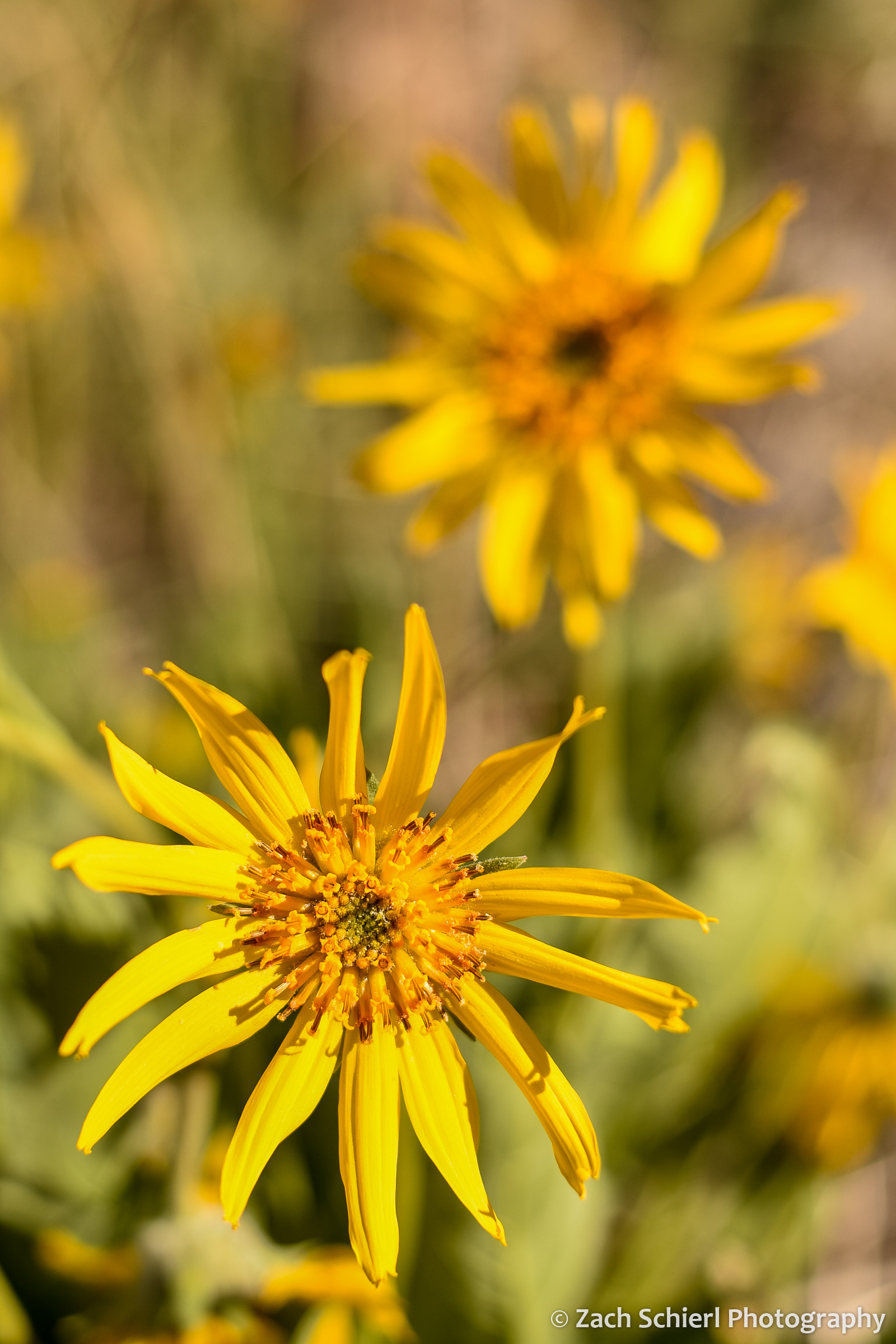
Balsamroot (Balsamorhiza sp.) flowers in the Yakima River Canyon of central Washington.

Low-growing lupine (Lupinus sp.) in the Yakima River Canyon of central Washington.
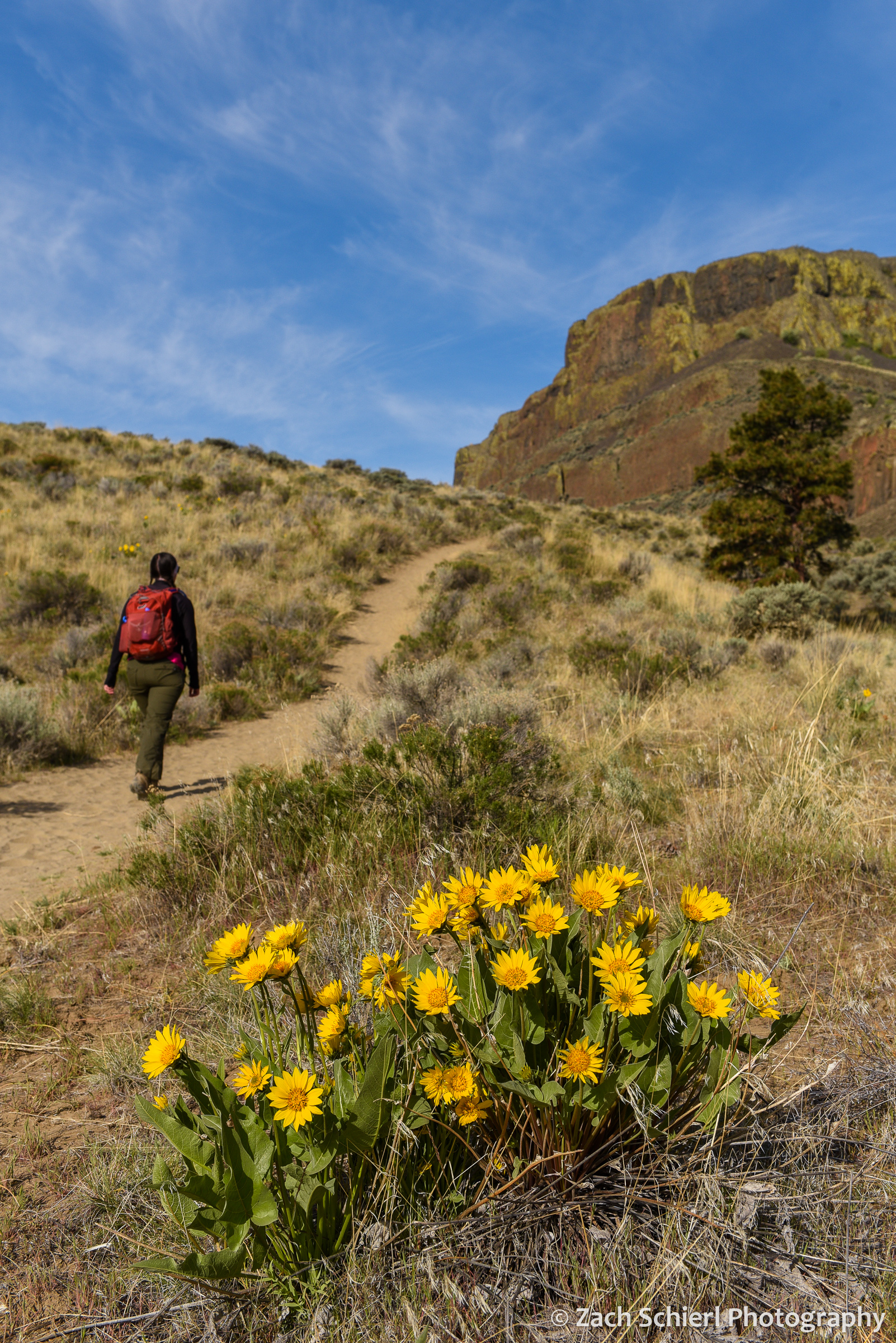
Balsamroot (Balsamorhiza sp.) flowers at Steamboat Rock State Park in central Washington.
Tips on identifying specific balsamroot or lupine species are welcome! There seem to be dozens of different varieties out here, but I sure as heck can’t tell them apart…
 Zach Schierl Photography