A Break from Winter in the Sonoran Desert

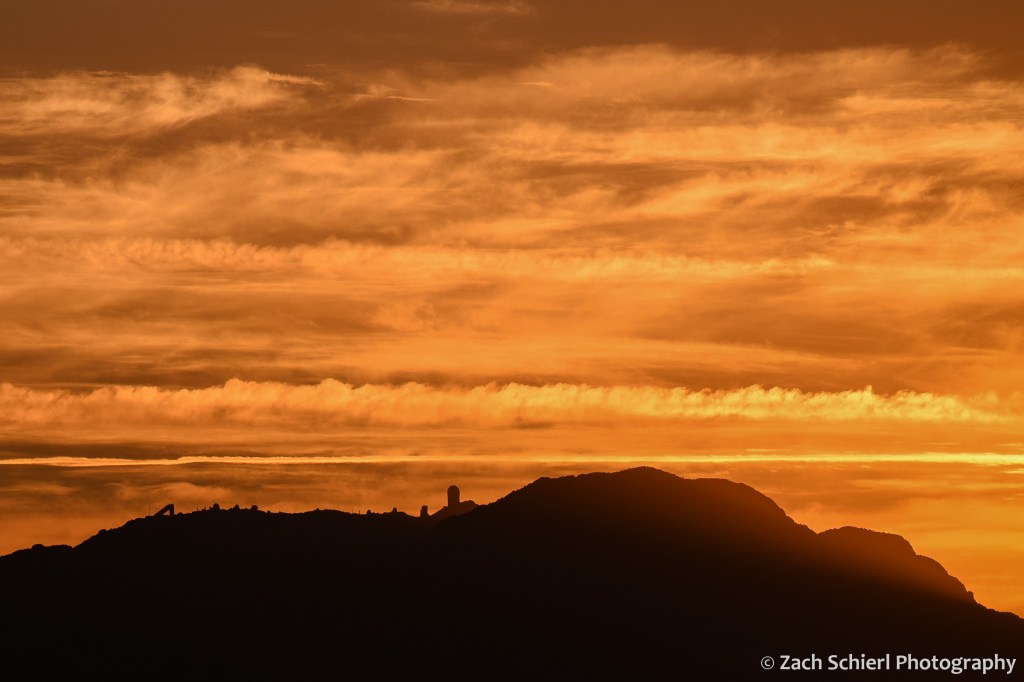
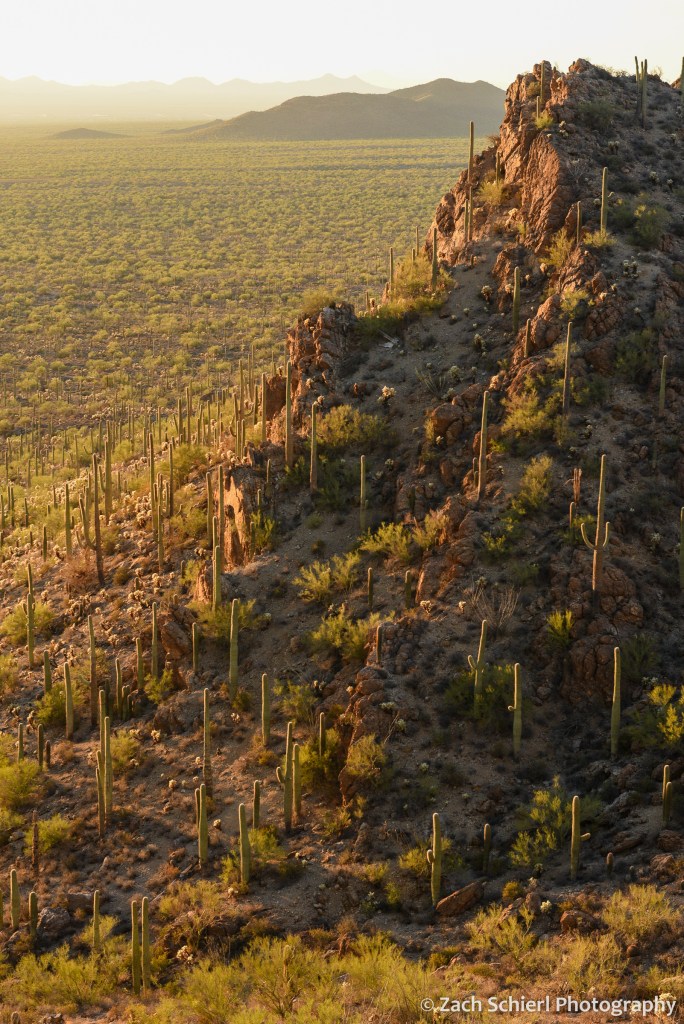
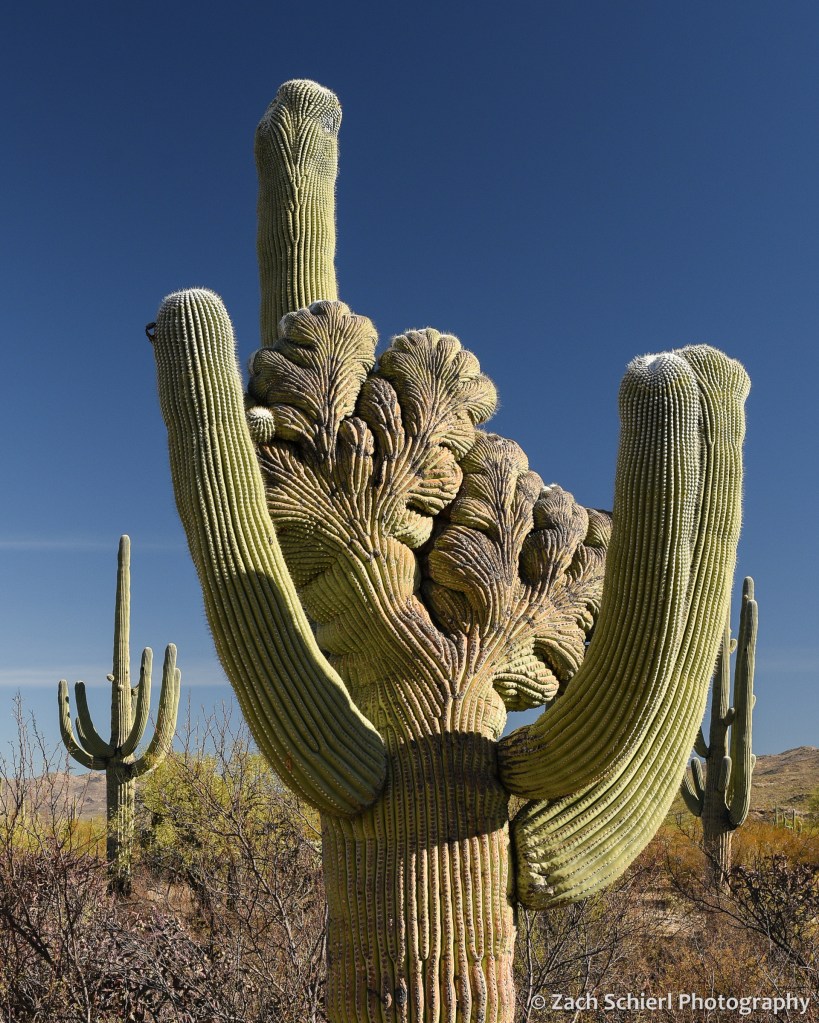
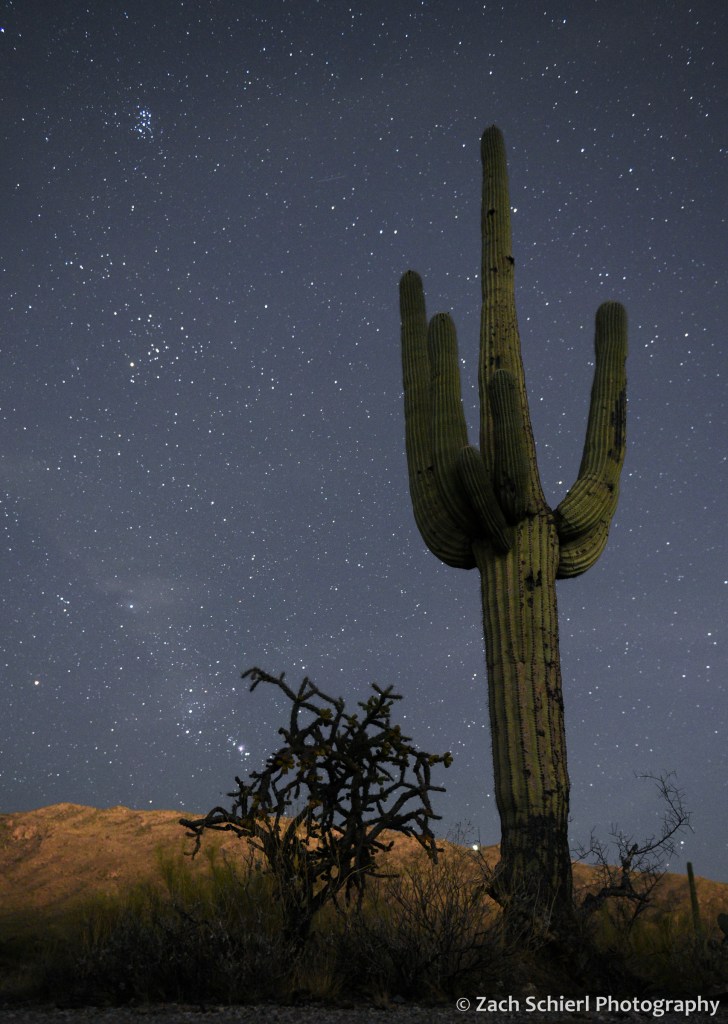
Happy New Year! For the first time since 2019, we were able to visit family in Arizona for the holidays this year. (We had tickets last year, but Southwest Airlines had other plans…) The cheapest flights were into Tucson, so I got to spend a few days hiking and shooting photos in the sunny and 75° Sonoran Desert for a few days at the beginning of the trip. It was a lovely break from the cold, gray central Washington winter, and it is hard to come away from an Arizona sunset without at least a few good photos! Here are a few of my favorites:




Adventures with a telephoto lens (Part 1)

As a landscape photographer, I’ve never spent that much time working with telephoto lenses. For about as long as I’ve owned a DSLR, I’ve had an old Tamron 70-300 mm that I use mostly for taking photos of wildlife that would be inadvisable to get too close to. For a lens that only cost me a few hundred dollars, it takes pretty solid photos, but at a maximum zoom of 300 mm, it just doesn’t have the reach to capture anything more than a few dozen yards away in any detail.
This winter I decided to splurge on a telephoto lens upgrade by purchasing an AF-S NIKKOR 200-500mm f/5.6E ED VR lens. For me, “splurging” means buying used on eBay, and unfortunately the first lens I won arrived rattling around loose in a paper-thin box with virtually no padding whatsoever. There was some external damage that hadn’t been disclosed in the auction listing, and, upon taking it outside for the first time, I quickly realized that the electronic aperture was non-functional. Fortunately, when I confronted the seller about these issues, I got my money back no questions asked.
It took a few more months to find another lens at a price I was comfortable paying, but by early March I finally had my hands on a non-damaged copy. Weighing in at around five pounds, this is an absolute beast of a lens. Thankfully, the tripod mount & collar that it comes with make a nice ergonomic handle to carry the entire kit by hand. (It’s actually been sort of nice to NOT have a camera slung over my shoulder for most of the past few months!) One does attract attention with a lens this large though: On a recent hike up the Carbon River Road in Mt. Rainier National Park, nearly every hiker I passed asked me some version of “Get any good photos today?” (I hadn’t really, and started answering honestly toward the end of the hike, which really seemed to throw people for a loop.)
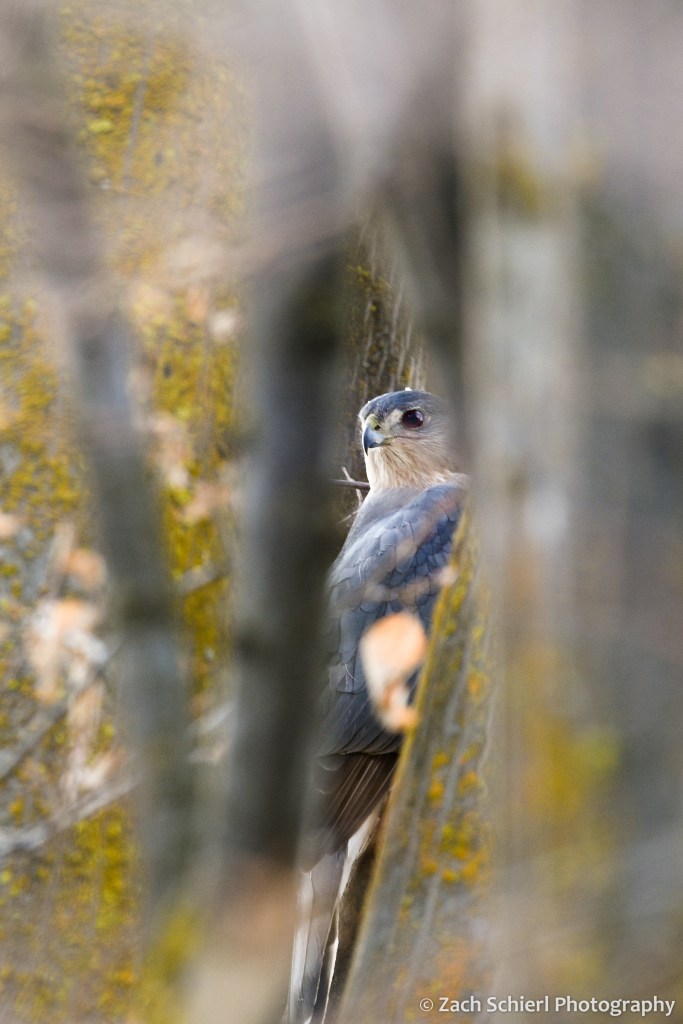
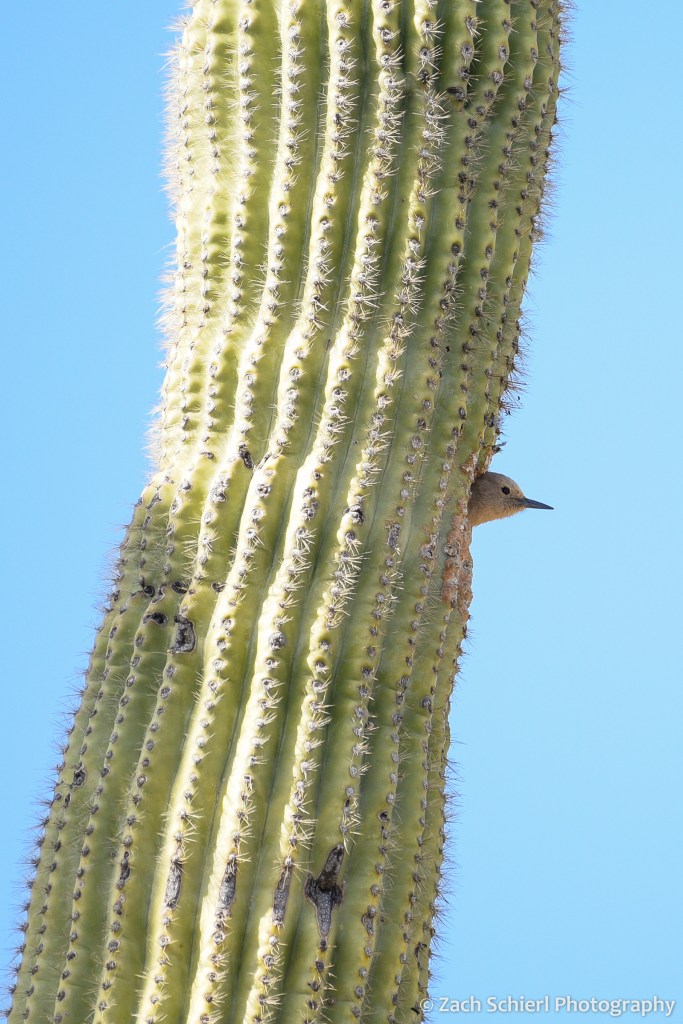
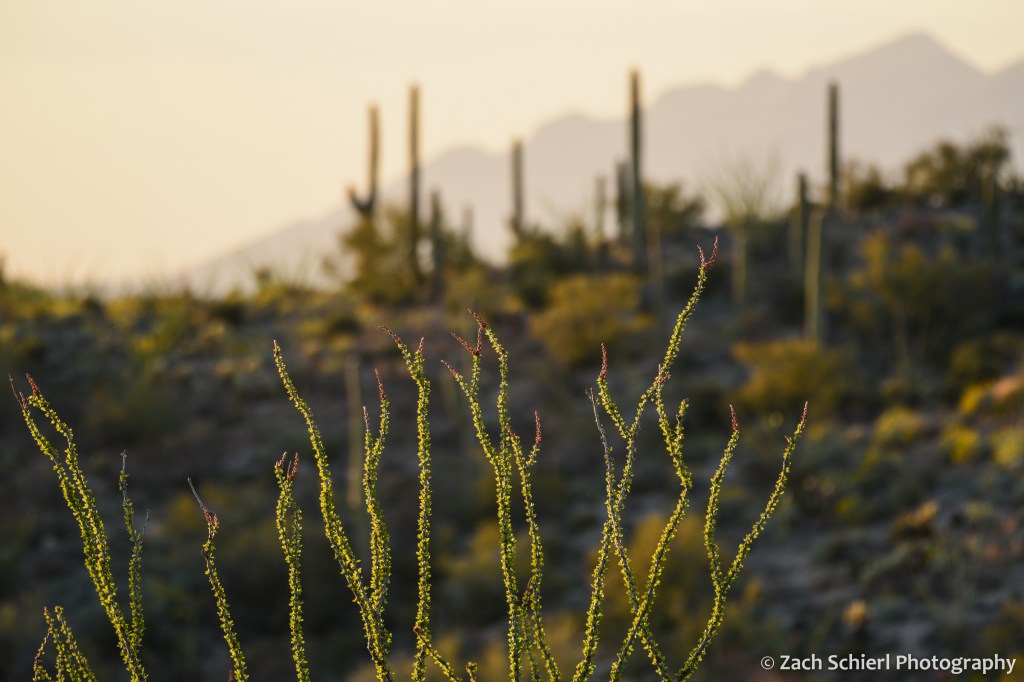
Performance-wise, I’ve been really impressed with the lens so far. It’s been fun to use, both for wildlife and for closely framed landscape shots. The optics are sharp, and the vibration reduction is quite effective, allowing me to capture crisp images even at 500 mm in low light at sunset, which is pretty wild. This may be an entry-level telephoto, but it’s still a huge upgrade over anything I’ve shot with previously. Even after I made the decision to buy the lens, I had lingering doubts about how much I would actually use it given its size. Those concerns have been put to rest. To my surprise, I’ve spent most of the spring with this lens attached to my camera and have even been comfortable enough with its versatility to take only this lens on several hikes.
Without further ado, here are some of my favorite shots with the lens so far:





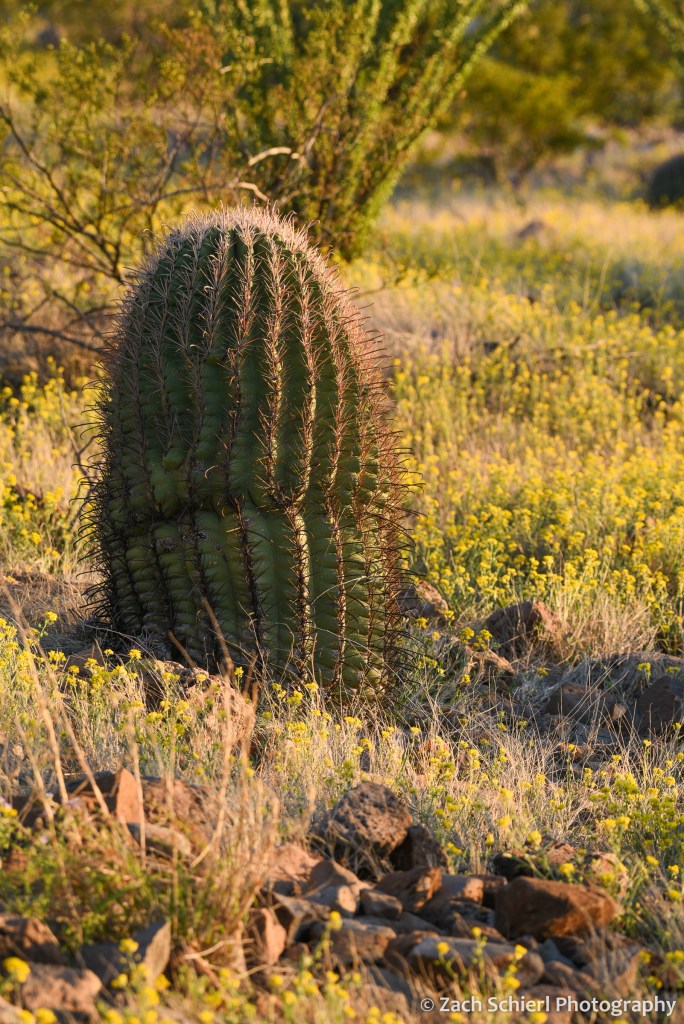

Several of the wildflower photos in my last post were also taken with this lens. Part two coming soon!
2019 Joshua Tree Bloom and Responsible Nature Photography


Joshua trees in bloom during March 2019 in the Virgin River Gorge, Arizona.
Joshua trees (Yucca brevifolia) are some of the most iconic figures of the southwestern deserts. While most often associated with California and Joshua Tree National Park, a tiny portion of their range extends into our corner of southwestern Utah. Not actually a tree but rather a tall gangling species of yucca, Joshua trees are frequent companions on low-elevation hikes in the St. George area, where the Mojave Desert makes its last stand before disappearing into the higher altitude mountains and valleys of the Colorado Plateau and the Great Basin.
Like many species of yucca, Joshua trees don’t flower every year, but instead only when temperature and rainfall conditions are favorable. We had yet to see a flowering Joshua tree in our three years in Utah, only the dry brown stalks of blooms gone by. This winter has been abnormally wet however, and in early March we started to notice large flower buds forming on a handful of Joshua trees (in the median of Interstate 15) that we drive past regularly. By the end of March, the bloom was in full swing! We decided to head into the Virgin River Gorge of extreme northwestern Arizona for a closer look.

The stark Mojave Desert landscape in the Virgin River Gorge, Arizona.
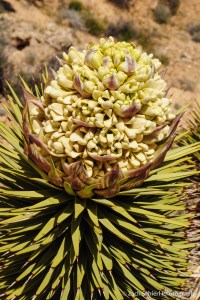
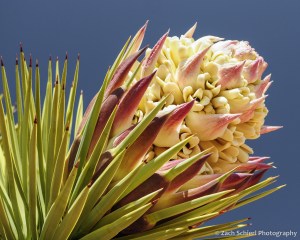
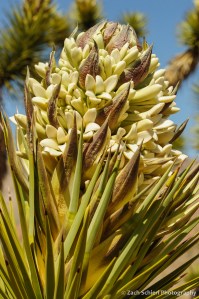
Joshua trees produce truly massive flower stalks: 1-2″ feet long and densely packed with large, rubbery, cream to nearly yellow-colored petals. Perhaps even more impressive are the flower buds, which resemble gigantic green and purple artichokes in the days and weeks before the flowers emerge:
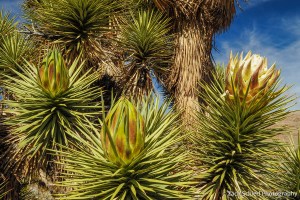

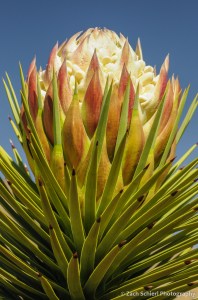
This year’s Joshua tree bloom wasn’t limited to Utah and Arizona. Throughout the Mojave Desert, Joshua trees have been flowering in large numbers, thanks to a series of wet and cold winter storms over the past few months. In fact, some Joshua trees in California were observed blooming as far back as last November. This fact may seem innocuous, but actually gives ecologists cause for concern given that Joshua trees are pollinated by just one insect: the yucca moth. Yucca moths are the sole species with the proper behavior and anatomy to pollinate the Joshua tree. Consequently, Joshua trees are 100% dependent on the yucca moth for reproduction and survival, while the larvae of the yucca moth are similarly dependent on the Joshua tree seeds for nutrition. For these symbiotic species to survive, the timing of the Joshua tree bloom must coincide with the life cycle of the moth. As climate change warms the southwestern deserts, there is concern that this could cease to be the case, as described in the linked article above. Joshua trees are a keystone species of the Mojave Desert, providing food and shelter for a host of other animals large and small. A decline in their populations would be devastating for the desert as a whole.
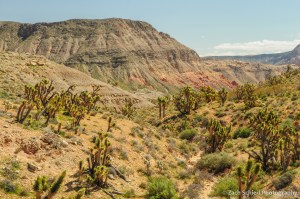
All of this is reason to work toward protecting our remaining stands of Joshua Trees, and a reminder to always be mindful and respectful when photographing sensitive species and landscapes. The “superblooms” of poppies and other wildflowers in the southwest over the past few months have highlighted the ecological damage that occurs when swarms of folks looking for their next Instagram photo descend en masse on delicate landscapes without regard for the environment.
Fortunately, many photographers are aware of the threat photography can pose to these beautiful environments and are working to combat the problem. I’m pleased to share that I have joined Nature First: The Alliance for Responsible Nature Photography. The goal of Nature First is to promote responsible nature photography through adherence to seven core principles:
-
Prioritize the well-being of nature over photography.
-
Educate yourself about the places you photograph.
-
Reflect on the possible impact of your actions.
-
Use discretion if sharing locations.
-
Know and follow rules and regulations.
-
Always follow Leave No Trace principles and strive to leave places better than you found them.
-
Actively promote and educate others about these principles
If you are a nature or landscape photographer, check them out and consider joining. Following these principles will ensure that spectacular events like Joshua tree blooms are still around for future generations of humans and yucca moths to enjoy!

 Zach Schierl Photography