Exploring Northern New Mexico
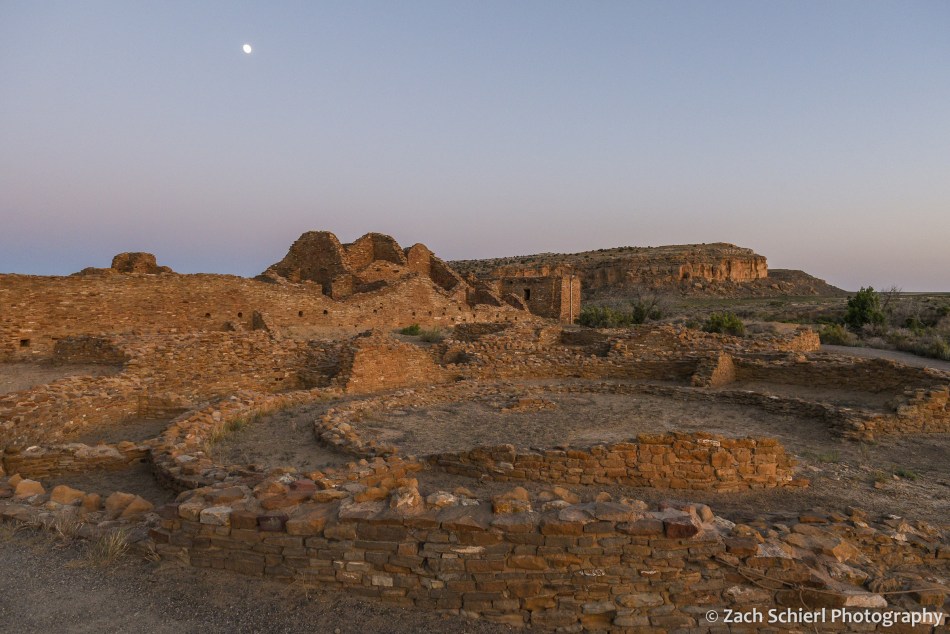
Despite having grown up just a few hours away in northern Arizona (and having lived in the other two ‘Four Corners’ states: Colorado and Utah), I’ve spent very little time in New Mexico. This summer, my wife and I had the chance to spend about a week in northern New Mexico as part of a larger road trip to the southwest, checking out Santa Fe and some of the national monuments in the area.
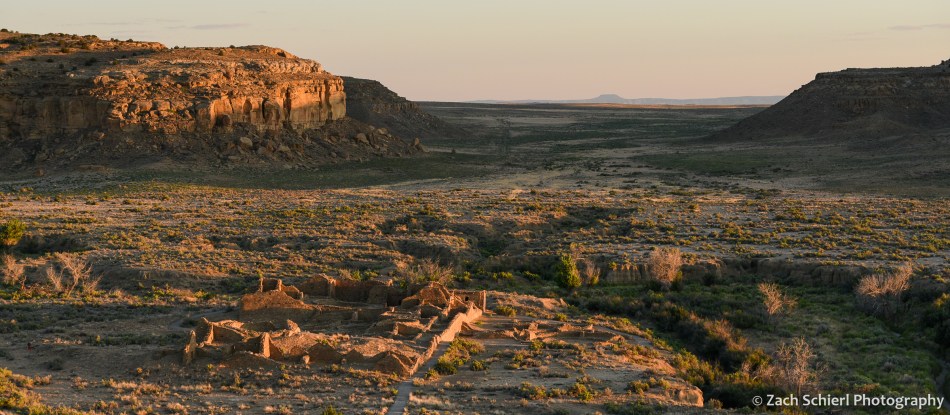
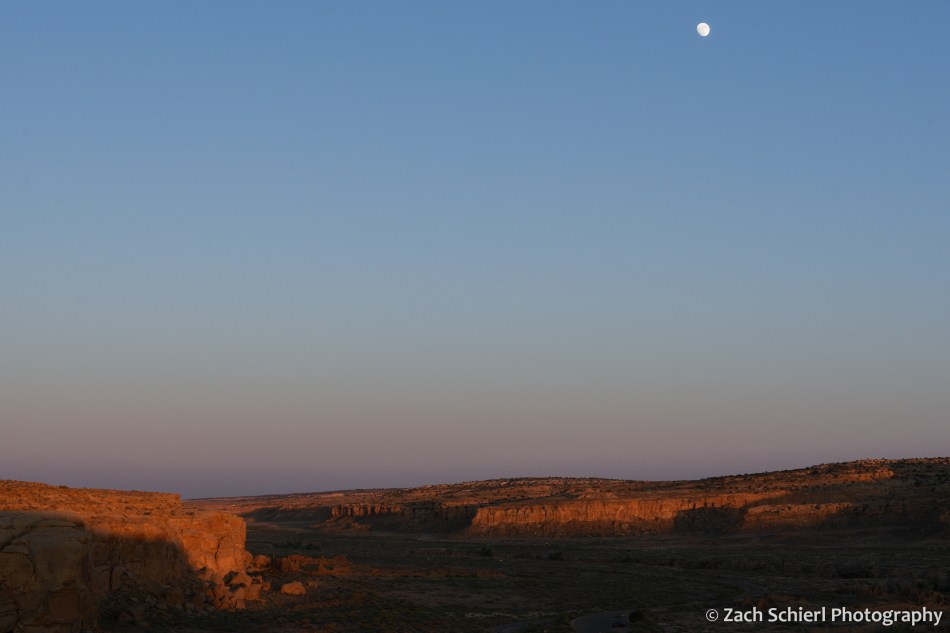
Our first stop was a place I’ve wanted to visit for a long time: Chaco Canyon. The epicenter of Ancestral Puebloan culture, this broad and shallow canyon is only accessible via many miles of dirt roads, which probably explains why we saw relatively few people once we were there! We arrived mid-afternoon and spent the night at the park campground before exploring several of the Chacoan “great houses” on self-guided trails early the following morning to beat the heat.

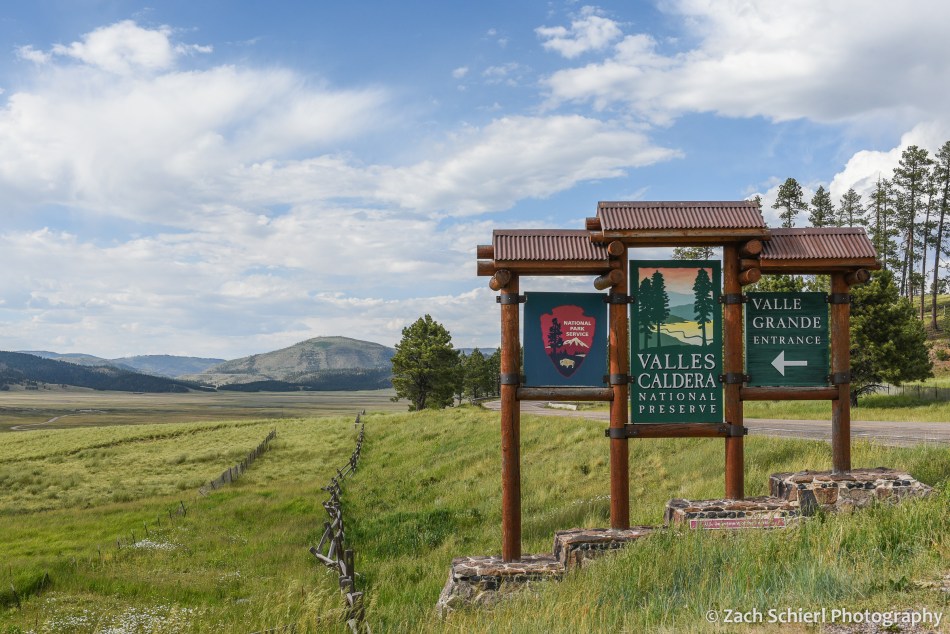
After proceeding south to visit friends in Santa Fe for several days, we headed into the Jemez Mountains north of town. Atop the Jemez Mountains sits Valles Caldera, a ~13 mile-wide depression created by an explosive volcanic eruption about 1.25 million years ago. The caldera and surrounding landscape are today part of Valles Caldera National Preserve (similar to a national park, except with hunting allowed), which was established in 2000 when a 95,000 acre private ranch was sold to the federal government. The southern portion of the caldera is occupied by a vast and stunningly beautiful grassy meadow known as Valles Grande. Several small lava domes punctuate the meadow, remnants of volcanic gurgles that occurred after caldera formation. We enjoyed a ranger-led hike around one of them, Cerro La Jara, and learned about the geological and human history of the region, as well as the local wildlife. We saw many prairie dogs, as well as a pair of coyotes meandering around the meadow stalking a massive herd of cow elk.


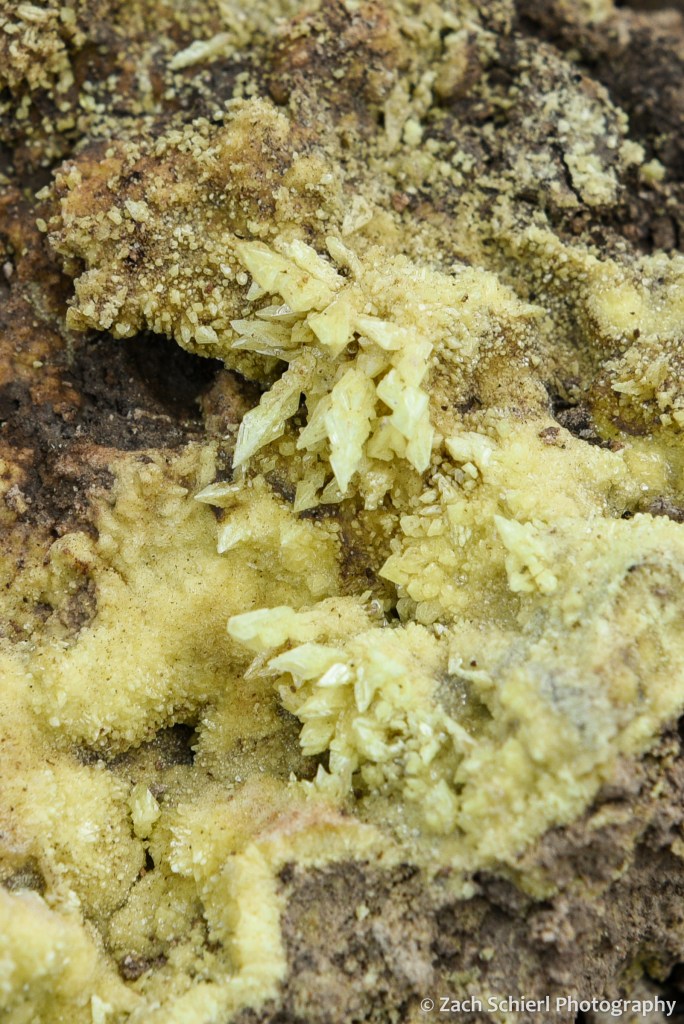
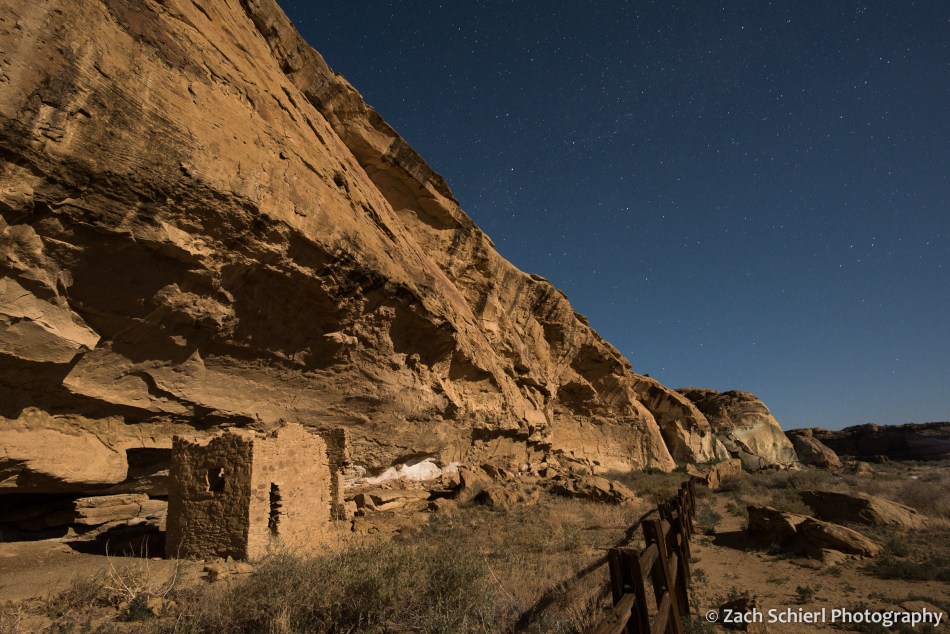
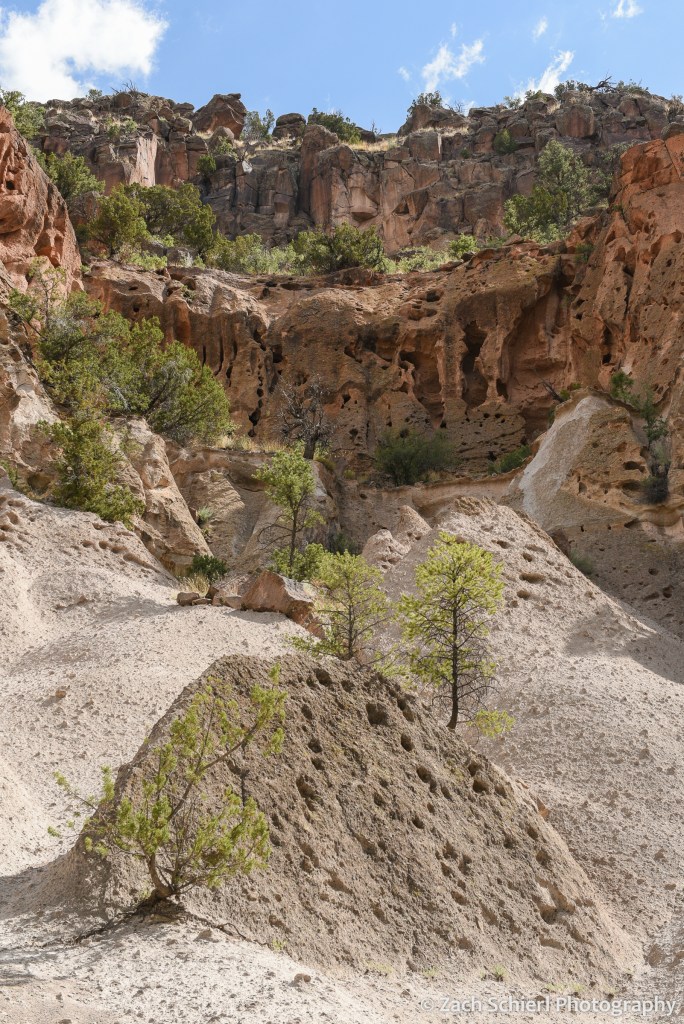
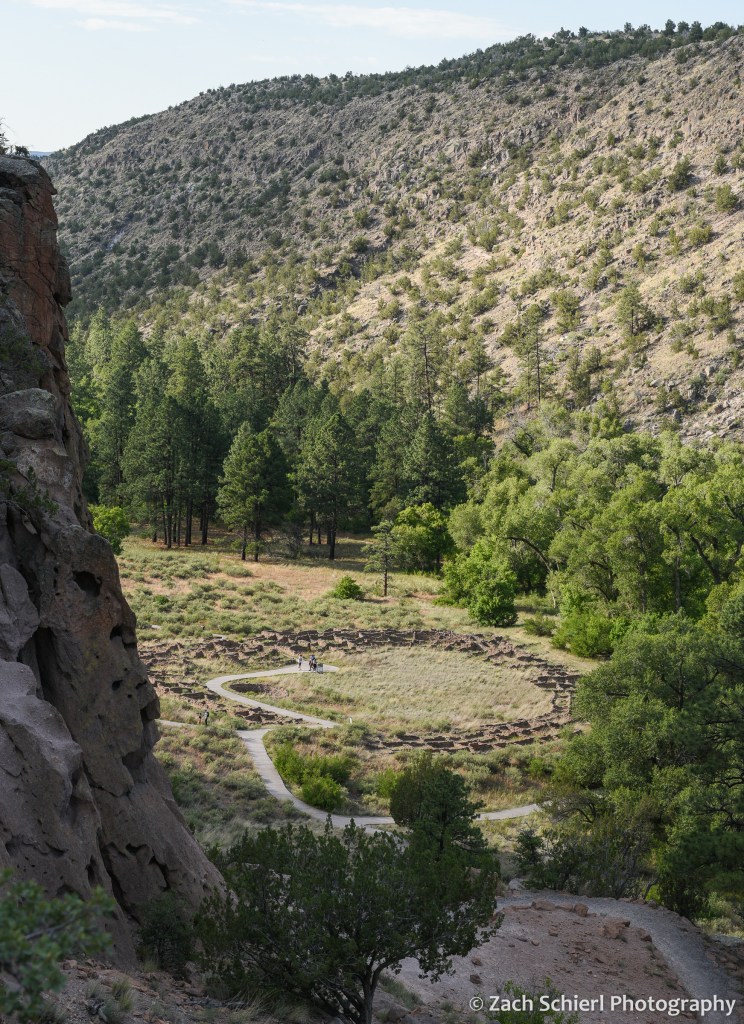
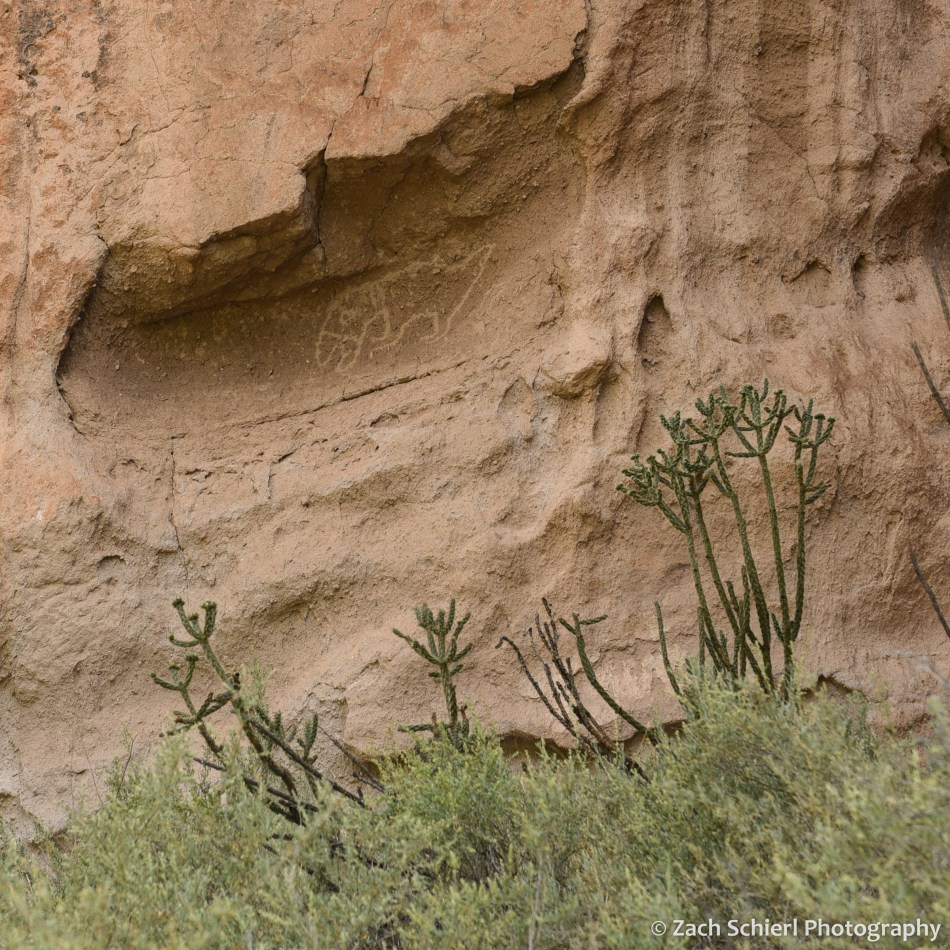
The eruption that created Valles Caldera deposited a thick layer of volcanic ash and tuff across the region known as the Bandelier Tuff. At the foot of the Jemez Mountains is Bandelier National Monument, our final stop in New Mexico, where Ancestral Puebloans carved dwellings into and out of this relatively soft and workable rock along what is now known as Frijoles Canyon:
The national parks of southern New Mexico and western Texas (White Sands, Carlsbad Caverns, Guadalupe Mountains, Big Bend) are some of the few in the west I’ve yet to visit, so a return to the “Land of Enchantment” will be needed soon!
 Zach Schierl Photography
Fascinating place!
October 9, 2023 at 5:54 pm